New Finds on Oak Island: Gary Drayton’s Latest Discoveries Shed Light on the Island’s Mysterious Past Uncovering the Past on Lot 5

In a thrilling new chapter for The Curse of Oak Island, metal detection expert Gary Drayton and archaeologist Peter Fornetti have uncovered a range of new artifacts that could help piece together the complex history of Oak Island. This latest excavation, which took place on Lot 5, has the team buzzing with excitement, as they continue their search for hidden treasure and clues about the island’s enigmatic past.
The round feature on Lot 5 has long been a site of mystery, with previous excavations yielding artifacts that point to a possible connection to the Knights Templar, the Portuguese Knights of Christ, and even early European explorers. This time, however, it is the spoil piles from the previous year’s excavation that have given way to new findings. Drayton, who has become a fan favorite for his uncanny ability to find treasure, has once again led the charge in uncovering hidden pieces of Oak Island’s past. Along with Fornetti, he searched through 10 tons of spoils removed from the round feature area, hoping to find additional clues to the identity of those who may have occupied the site—and, more importantly, why.
The Artifacts Unearthed: A Closer Look at the Findings
The first key find came when Drayton’s metal detector signaled a strong, non-ferrous reading. This led the team to uncover a small piece of lead shot—a find that may seem modest, but when connected to previous discoveries on Lot 5, it could be a significant clue. Over the years, the Oak Island team has uncovered numerous gun-related artifacts such as musket balls and ramrod guides from rifles, all of which could date back to the 17th century. These discoveries continue to support the theory that the site may have served as a camp, possibly occupied by individuals involved in the mysterious operations that led to the construction of the Money Pit.
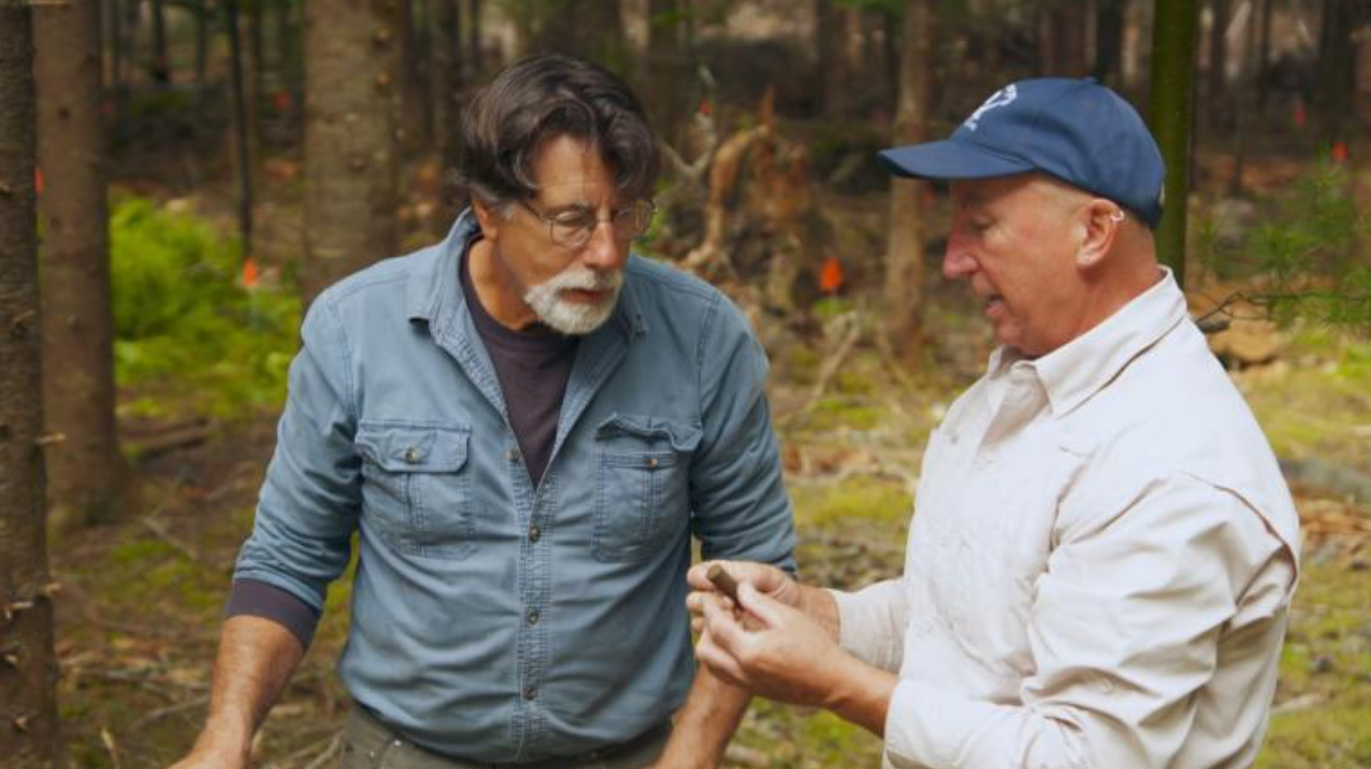
Gary Drayton and Peter Fornetti’s excitement grew as they unearthed more, including what appeared to be a piece of a door hinge—an iron object that could be as old as the 1600s. This find may be connected to the round feature, possibly marking the site as a place of occupation, potentially by a group who needed to secure valuable items. The team has long speculated that the Money Pit might have been more than just a treasure hoard; it could have served as a hiding place for those attempting to keep sacred or valuable objects away from prying eyes.
In what could be one of the most telling discoveries, Drayton uncovered a large piece of iron deep within the spoil piles. As he meticulously dug, he revealed an object that looked like a substantial, corroded piece of iron—possibly the largest object yet uncovered at Lot 5. The significance of this item has yet to be determined, but its sheer size and depth suggest it could have been part of a structure designed to protect whatever was buried beneath it. Drayton’s excitement about this potential find is palpable, as he speculates that it could be connected to the same mysterious people who constructed the Money Pit and its related features.
Could the Round Feature Be Part of a Larger Structure?
As the team moved forward with their excavation, archaeologist Fiona came to a conclusion that has many in the team excited: the objects found could represent another part of the round feature, which may be linked to a larger structure or series of hidden chambers. Fiona’s belief is that the iron objects and glass shards, including a piece of ancient, green glass, suggest the presence of an old, possibly 17th-century structure. This find is incredibly significant because it could provide more evidence of early European activity on Oak Island—activity that could date back to a time when the island was frequented by groups like the Knights Templar or the Portuguese Knights of Christ.
The discovery of coarse earthenware alongside glass and iron artifacts further supports the theory that the round feature might not just be a random formation of rocks, but a site of intentional construction. The idea that this could be part of a larger, hidden structure raises questions about the original purpose of the site and its connection to the Money Pit. The team is eagerly awaiting further analysis of the artifacts found, hoping that they can confirm whether these items are indeed linked to the broader mystery that has captivated treasure hunters for centuries.
The Role of the Knights Templar in Oak Island’s Mystery
One of the most exciting possibilities is that these findings could tie back to the Knights Templar, an order that has long been associated with Oak Island’s mysteries. For years, theories have circulated suggesting that the Templars used the island to hide treasure, sacred relics, or even knowledge of great importance. The discovery of a lead cross, military buttons, and other artifacts with ties to the Templars could further support this theory. If the latest finds on Lot 5 are connected to the Templars, they could provide new evidence that the Order was active on Oak Island long before the first official discoveries were made in the late 18th century.
Gary Drayton’s role in uncovering these artifacts is more than just that of a metal detectorist; he has become an integral part of the ongoing search for the island’s secrets. His unique ability to find important relics, coupled with his passion for the history of Oak Island, has made him an invaluable member of the team. Drayton’s dedication to uncovering the truth about Oak Island is clear, and his enthusiasm for each new find keeps fans of the show eagerly anticipating what’s to come next.

Looking Forward: What’s Next for Oak Island’s Treasure Hunt?
As the team continues to explore Lot 5 and the mysterious round feature, the potential for new discoveries remains high. The unearthing of more artifacts will hopefully provide the clues necessary to unlock the secrets of Oak Island’s hidden past. With each new find, the mystery deepens, and the possibility of uncovering the long-sought treasure becomes more tantalizing.
For now, the focus remains on analyzing the artifacts already found, including the lead shot, iron objects, and glass shards. Could these be the missing pieces that finally help the team piece together the larger story of Oak Island? Or will the round feature and its treasures remain hidden, shrouded in mystery for years to come?
Only time will tell. But with Gary Drayton’s unwavering determination and the team’s expert analysis, the answers could be just beneath the surface, waiting to be revealed.