Oak Island Investigation Intensifies: Gary Drayton Leads Team Toward the Money Pit
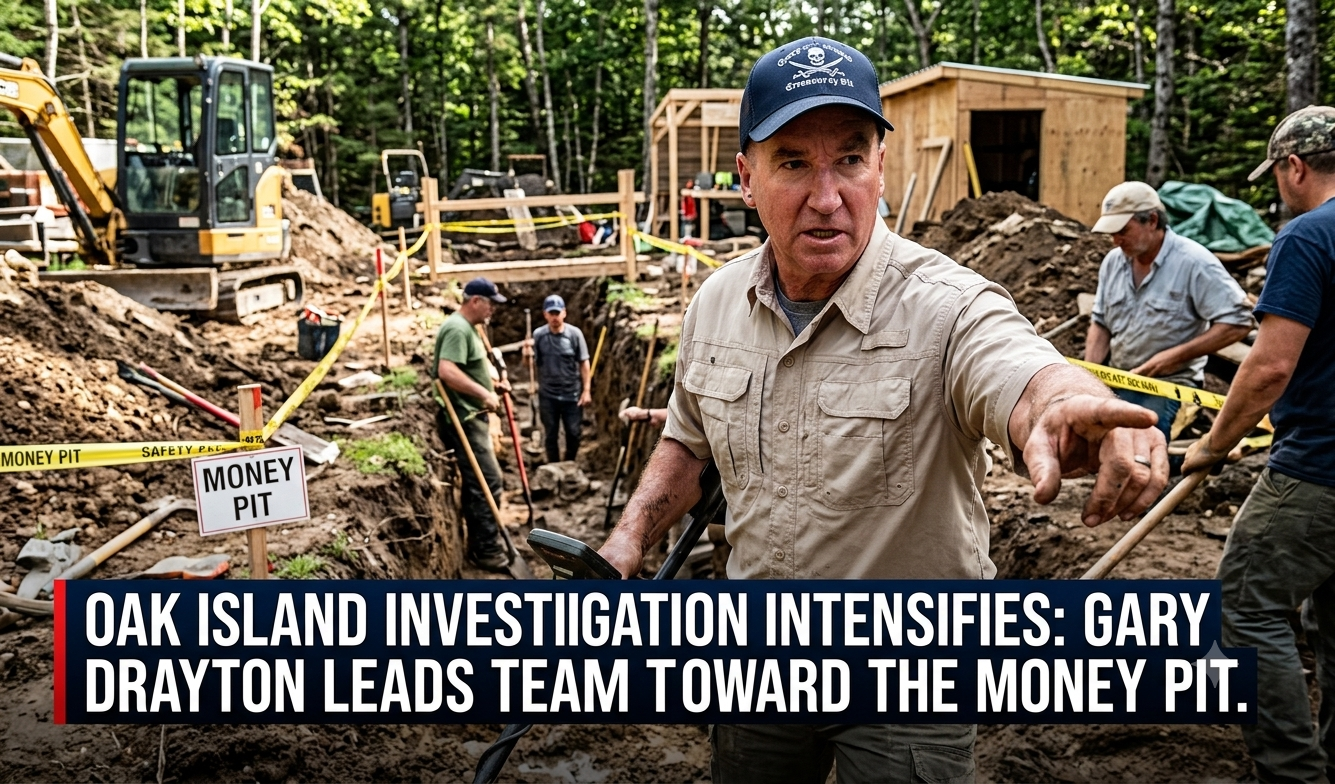
The ongoing exploration of Oak Island has reached a critical juncture as Gary Drayton and the investigative team intensify their efforts near the legendary Money Pit. In recent episodes of The Curse of Oak Island, Drayton, alongside Rick Ness, Marty Lagina, and other key members of the Oak Island team, has undertaken a meticulous probe drilling operation to uncover the secrets concealed beneath centuries of sediment and water. Analysts reviewing these developments suggest that the latest expedition could provide significant insights into the island’s history, the construction of the Money Pit, and the possible location of long-sought treasure.
The operation focuses on areas adjacent to the Money Pit where prior excavations have hinted at structural anomalies. According to field reports, Drayton and the team targeted a previously underexplored section of the island, deploying both manual and mechanized probing tools. The use of metal detectors, including Drayton’s signature CTX3030, allowed the team to identify potential metallic anomalies beneath layers of soil and rock, which may indicate remnants of historical tools, coinage, or other artifacts associated with the original construction of the Money Pit. Analysts note that the combination of technology and traditional surveying techniques maximizes the chances of discovering historically significant items without compromising the structural integrity of the site.
During the probe, the team encountered a series of challenging conditions, including water-saturated soil and unstable terrain. Despite these obstacles, Drayton’s expertise in metal detection enabled the identification of several promising targets. Preliminary analysis of these signals suggested the presence of non-ferrous metals, increasing the likelihood that the finds are related to historical rather than modern mining activity. Analysts emphasize that distinguishing between contemporary debris and artifacts from earlier centuries is critical in such investigations, as it informs both excavation strategy and historical interpretation.

One particularly notable aspect of the operation is the collaboration among team members with specialized knowledge. Rick Ness and Marty Lagina provided operational oversight and logistical coordination, while Drayton focused on the technical application of detection methods. The synergy between historical insight, engineering experience, and field expertise exemplifies the multi-disciplinary approach that has become a hallmark of successful Oak Island investigations. Analysts highlight that this methodology not only increases the efficiency of the excavation but also allows for the careful documentation and preservation of fragile archaeological materials.
The proximity of the targeted area to the Money Pit adds both practical and symbolic significance to the investigation. Historically, the Money Pit has been the focal point of countless searches for treasure, yet its construction remains shrouded in mystery. Discoveries in the surrounding areas, such as wooden stakes, stone alignments, or metal fragments, can offer critical clues about the methods and intent of the pit’s creators. By systematically probing these zones, Drayton and the team aim to reconstruct a more comprehensive picture of how the Money Pit was engineered, potentially linking the pit’s structure to broader settlement or trade networks on Oak Island during the pre-colonial and early colonial periods.

The investigation also underscores the inherent risks of working in such a challenging environment. Excavations near the Money Pit require careful attention to safety protocols due to unstable soils, deep shafts, and water hazards. Analysts observe that incidents in prior seasons, including unexpected flooding and equipment malfunctions, highlight the complexity and danger of the operation. Drayton’s hands-on approach, combined with the team’s procedural safeguards, ensures that both personnel and potential artifacts are protected, preserving the integrity of the site while advancing the search for historically significant materials.
Looking ahead, analysts predict several likely developments based on current findings. First, the team may prioritize the recovery of metallic anomalies identified during the probing operation, employing careful extraction techniques to prevent damage to artifacts. Second, additional layers of soil may be examined for further structural features, such as tunnel remnants or wooden support beams, which could provide context regarding the construction and purpose of the Money Pit. Third, the integration of historical research with field discoveries may allow the team to refine models of pre-colonial or colonial activity on the island, potentially connecting previously disparate findings into a coherent narrative.
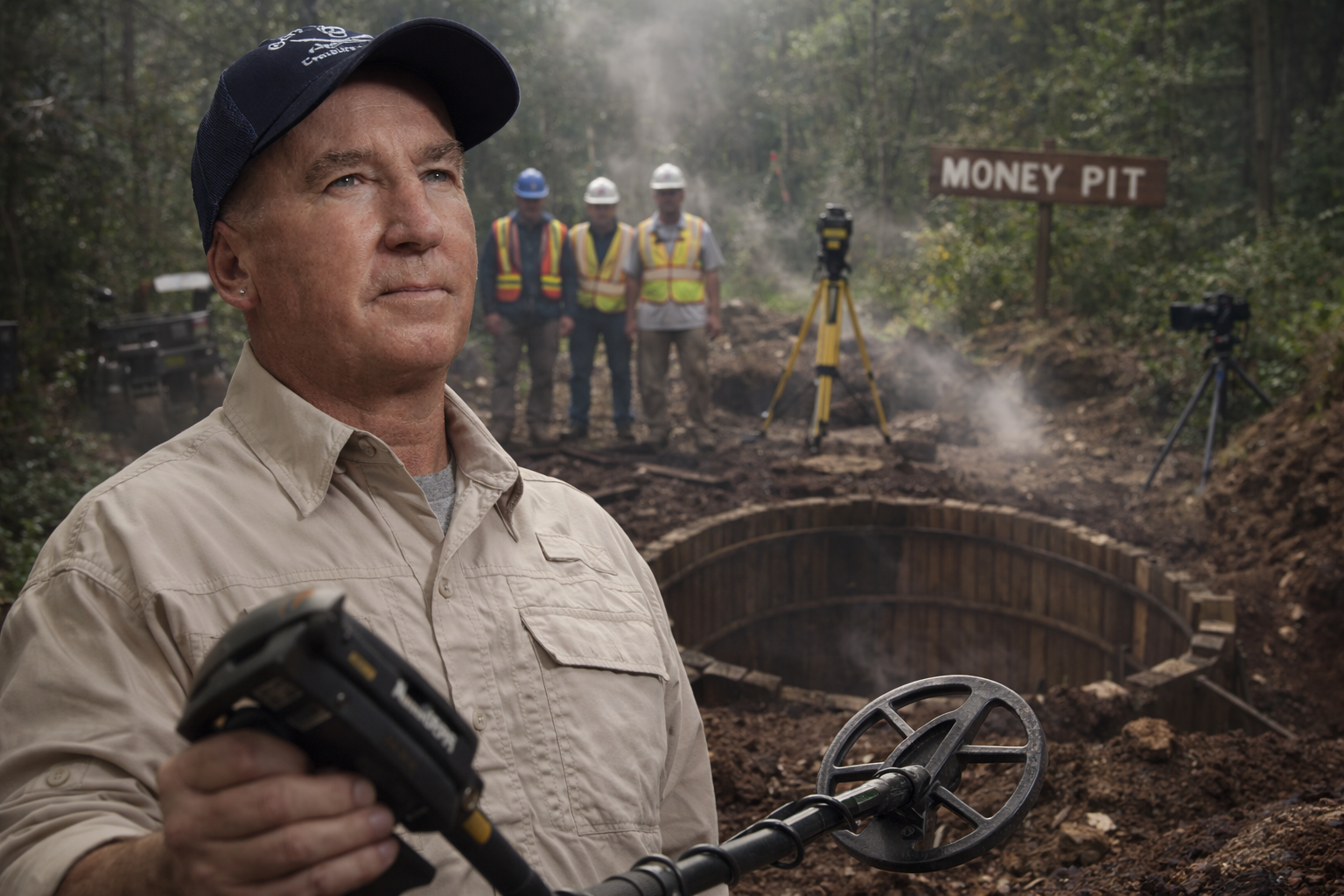
Beyond the immediate search for treasure, the operation has significant implications for understanding the human history of Oak Island. The presence of systematically placed structures, metallic artifacts, and engineered pathways suggests that the island was not simply a site of sporadic activity but may have been part of a well-organized enterprise. Analysts note that each new discovery contributes to a growing body of evidence indicating deliberate planning, technological skill, and sustained occupation or usage, reinforcing the hypothesis that Oak Island’s mysteries are both historical and engineered rather than purely coincidental.
From a viewer perspective, the episodes featuring Drayton’s probing provide both educational and dramatic value. The combination of careful scientific methodology, historical speculation, and suspenseful exploration aligns with the core appeal of The Curse of Oak Island. Audiences gain insight into archaeological practice, the technical challenges of excavation, and the interpretive decisions required when examining centuries-old constructions. Analysts suggest that this approach enhances the show’s credibility while maintaining the tension and intrigue that have long captivated fans.
In conclusion, the intensified investigation led by Gary Drayton represents a pivotal stage in the ongoing quest to unlock Oak Island’s secrets. Through meticulous probing, strategic use of technology, and interdisciplinary collaboration, the team is uncovering clues that may finally illuminate the construction, purpose, and potential treasures of the Money Pit. Analysts predict that forthcoming episodes will provide further revelations, as metal anomalies, structural features, and historical context converge to deepen our understanding of one of North America’s most enigmatic archaeological sites. The combination of careful investigation, historical analysis, and narrative suspense ensures that Oak Island remains a compelling subject for both academic study and popular fascination.