Oak Island Sinkhole Reveals “Designed” Wall, Raising New Questions About the Legendary Treasure
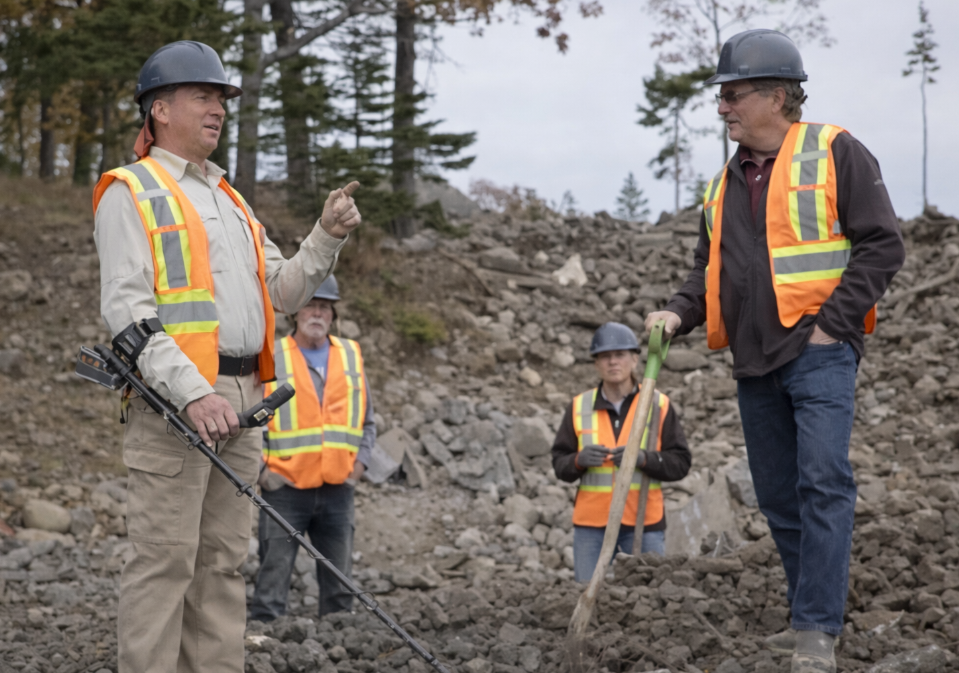
For decades, Oak Island has been synonymous with mystery, treasure, and meticulously documented exploration. Now, the latest development may mark one of the most significant breakthroughs in recent years: a massive 92-foot (approximately 28-meter) sinkhole has formed, exposing what appears to be a “designed” wall beneath the island. This discovery has reignited speculation among historians, treasure hunters, and fans of The Curse of Oak Island about the nature of the island’s hidden structures and what they might conceal.
The formation of such a large sinkhole is alarming in itself, but the exposed wall has drawn particular attention due to its apparent construction. Unlike natural rock formations, the wall shows evidence of deliberate engineering, suggesting that whoever originally built it had a specific plan or purpose in mind. Analysts of the series have long debated whether Oak Island was a repository for treasure, a military hideout, or a site of ritual significance. This wall, now visible due to the collapse, offers tangible proof that at least part of the island was modified intentionally, potentially to protect or conceal valuable objects.
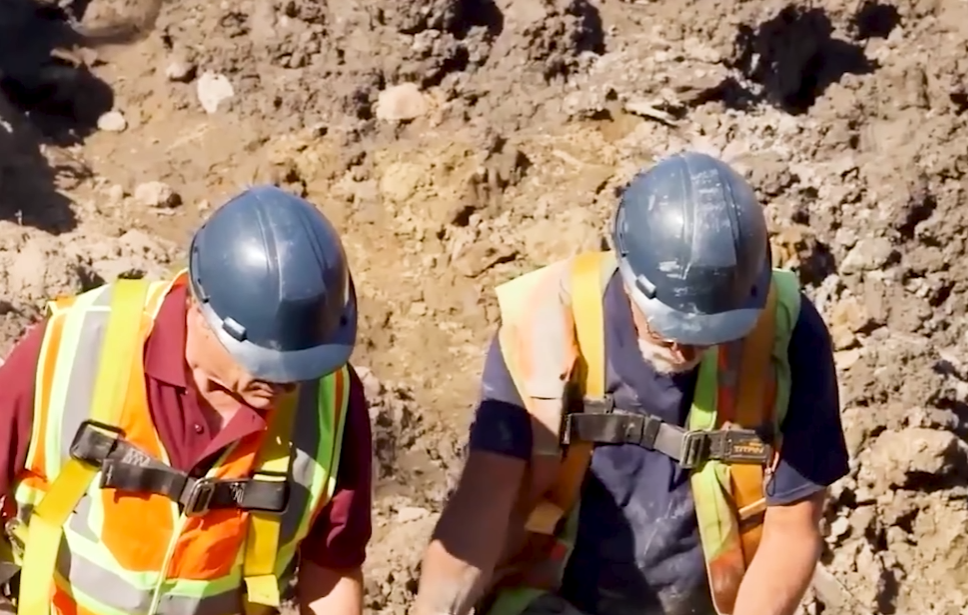
From an analytical perspective, the implications are profound. The discovery may confirm theories that sections of Oak Island were carefully engineered by human hands, rather than being random geological formations. Historically, researchers have speculated about tunnels, chambers, and booby-trapped vaults, often linked to legends of the Knights Templar, Freemasons, or early European explorers. The presence of a constructed wall supports these theories and suggests a level of sophistication previously underestimated by many observers.
The sinkhole also raises practical and operational questions for the current Oak Island team. Large collapses present both dangers and opportunities. On one hand, they destabilize the surrounding ground and complicate excavation efforts. Safety becomes paramount, as any attempt to explore the newly exposed area could put workers at risk. On the other hand, the collapse has revealed a cross-section of the underground environment that would otherwise have required months of careful digging and probing to uncover. For analysts and the viewing audience alike, this serendipitous exposure provides a rare glimpse into the hidden architecture of Oak Island.
This new structural evidence is likely to shift the focus of the excavation strategy. Analysts predict that the team may prioritize examining the wall’s composition, dimensions, and orientation to determine its original function. If it is part of a larger network of tunnels or chambers, it could indicate that the island contains more sophisticated engineering than previously understood. Additionally, the presence of a designed wall suggests the possibility of additional concealment mechanisms, such as false floors, hidden compartments, or reinforced vaults. Each of these possibilities could dramatically increase the chances of uncovering artifacts or treasures, whether historical, monetary, or both.
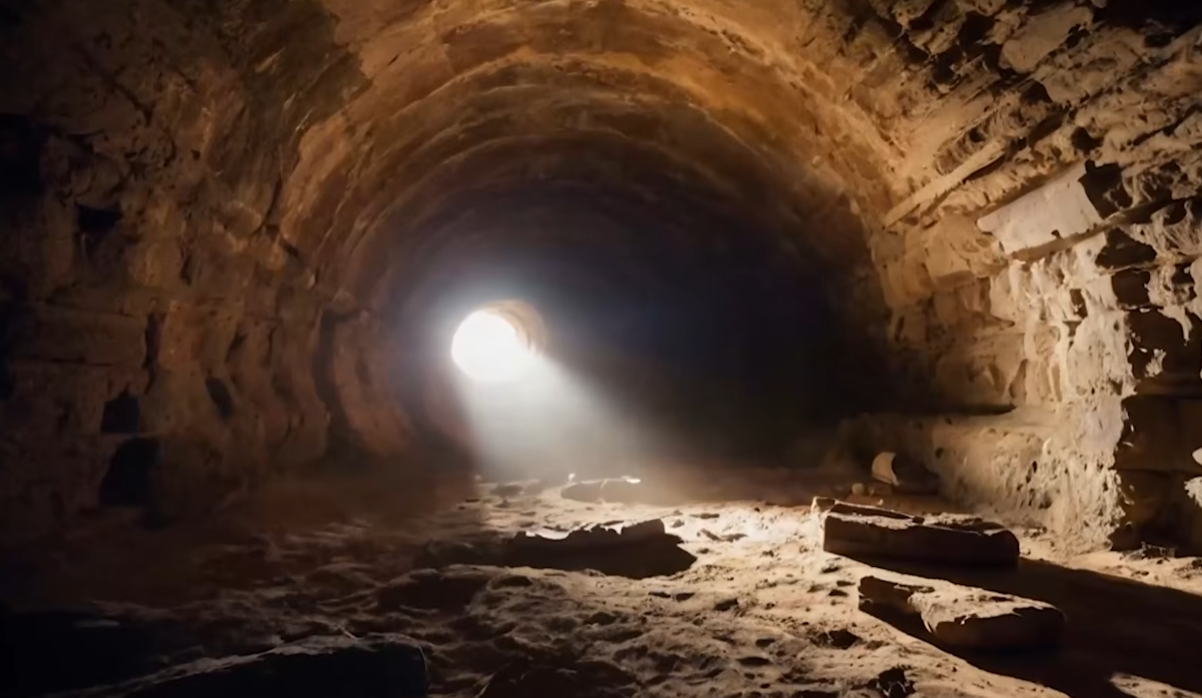
The sinkhole’s timing is also significant. The formation occurs during a period when the team has been employing advanced scanning technologies, including ground-penetrating radar, resistivity mapping, and other subsurface analysis methods. While these tools have revealed anomalies for years, the physical exposure of a wall allows direct examination and verification, bridging the gap between theory and observable evidence. Analysts expect that combining on-site observations with technological data will provide a clearer understanding of the island’s construction techniques and potentially date the work to specific historical periods.
Predicting future developments based on this discovery, several scenarios are plausible. The wall could be a fragment of a larger structural system, possibly connected to the Money Pit or other subterranean shafts that have long fueled speculation. If further collapses or excavations reveal chambers behind or adjacent to the wall, it could validate long-standing theories about hidden treasures or historically significant artifacts. Conversely, the wall could be part of defensive or structural engineering intended to stabilize the island’s soil and prevent flooding, as some geologists have suggested. Either scenario will have profound implications for both the excavation plan and the narrative of The Curse of Oak Island.
From a storytelling perspective, the sinkhole provides compelling drama for viewers. The show has always balanced historical investigation with real-time problem-solving, and the unexpected exposure of a significant underground feature fits perfectly into this framework. Analysts anticipate that upcoming episodes will explore both the technical challenges of assessing the wall safely and the historical context of its construction. Interviews with historians, engineers, and the team members themselves will likely attempt to interpret the wall’s purpose, offering audiences a mix of suspense, educational content, and speculation.
Finally, the discovery underscores the enduring allure of Oak Island. Despite hundreds of years of exploration, the island continues to surprise and challenge both experts and amateurs alike. The sinkhole and the wall it reveals are reminders that treasure hunting is as much about discovery and interpretation as it is about monetary gain. Each new find contributes to a larger understanding of the island’s history and the ingenuity of those who may have altered it. For analysts and fans, the stakes are higher than ever: a massive collapse has unveiled what could be a critical piece of the puzzle, and the coming months may finally bring clarity to one of the world’s most enduring archaeological mysteries.
In conclusion, the 92-foot sinkhole on Oak Island and the exposure of a “designed” wall represent both an extraordinary opportunity and a formidable challenge. Analysts predict that this event will reshape excavation priorities, potentially reveal new chambers or artifacts, and offer the first direct evidence of sophisticated construction beneath the island. As The Curse of Oak Island continues, this collapse may mark a turning point, reigniting the quest for answers and intensifying the search for secrets that have eluded explorers for over two centuries.