Season 13 of Oak Island takes a dark turn: The crew ventures into the temple of death in search of hidden treasure.
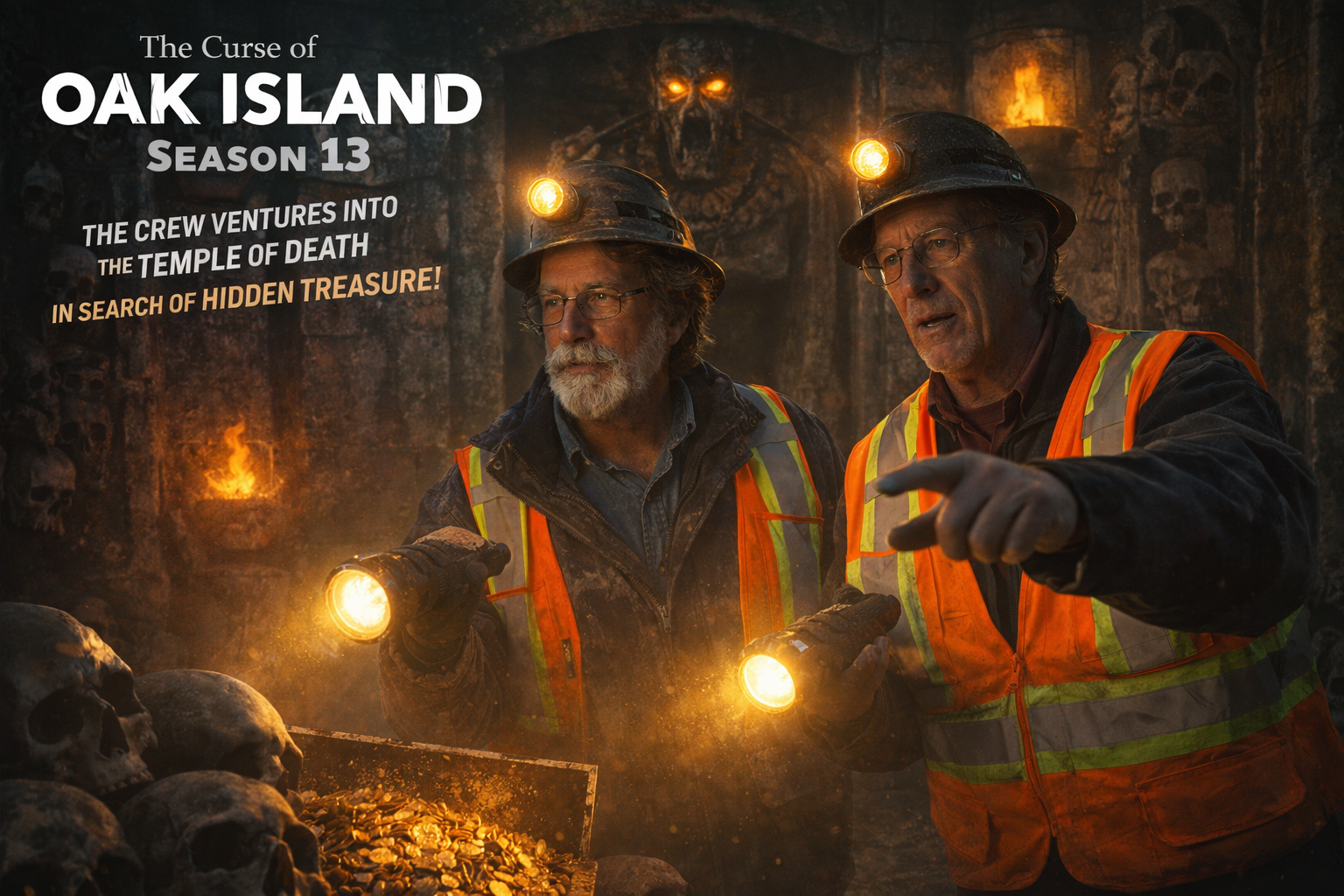
Season 13 of The Curse of Oak Island marks a critical turning point in the legendary search for the island’s elusive treasures. This season, the team has ventured into what has been ominously referred to as the “temple of death,” a previously unexplored subterranean zone teeming with potential rewards and unprecedented hazards. From an analyst’s perspective, the decisions and outcomes this season may redefine not only the narrative of the show but also the historical understanding of Oak Island itself.
The “temple of death” is a part of the island that has long been avoided due to instability and historical warnings. High-tech scans, including ground-penetrating radar and 3D mapping, have revealed a complex system of chambers and tunnels with density readings eight to ten times higher than ordinary soil. Such readings suggest the presence of dense metal, ancient vaults, or thick-walled chambers, hinting at significant treasure—potentially valued between $150 million and $500 million. Yet these promising findings are tempered by the extreme physical dangers present: unstable ground, water pressure from subterranean flood tunnels, and the potential release of toxic gases. Even minor miscalculations could trigger flooding or structural collapse, threatening both human life and decades of exploration.
Rick Lagina and Marty Lagina, long-time leaders of the Oak Island expedition, are navigating an unprecedented ethical and strategic dilemma. Historically, the pursuit of treasure has always involved calculated risks, but this season the stakes are existential. Rick’s unusual silence and the engineers’ repeated safety warnings suggest that every step into the temple is laden with moral and operational pressure. Marty, balancing financial investment with crew safety, embodies the tension between ambition and responsibility. The decisions they make here could have consequences far beyond a single excavation, potentially reshaping their legacy, the show’s reputation, and the historical record of Oak Island.
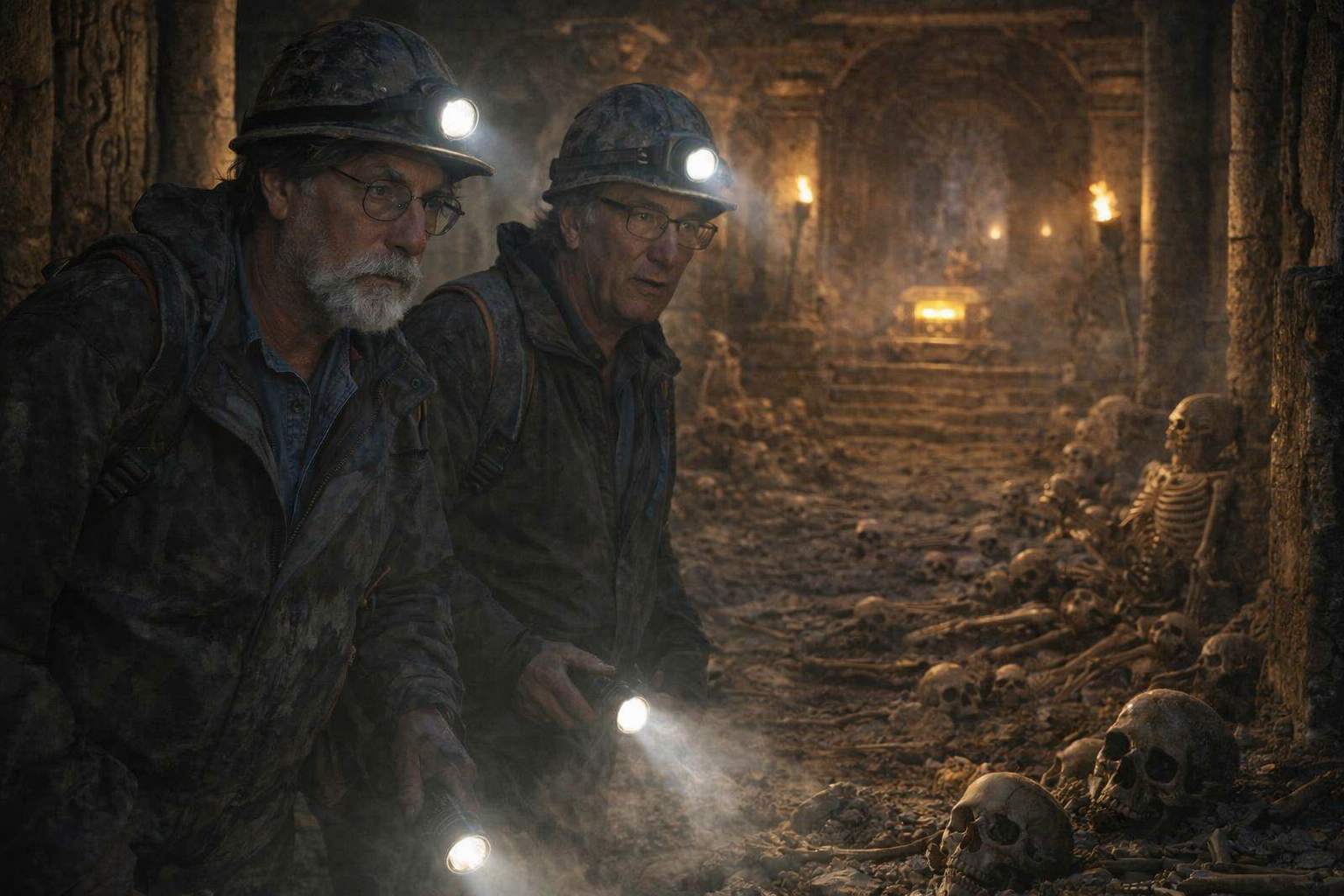
From a program analyst perspective, the technical findings this season indicate a highly engineered subterranean network, rather than random natural formations. The alignment of the temple of death with the Money Pit and known flood tunnels suggests an integrated design, possibly constructed to protect the treasure from discovery. This could explain historical accounts of sudden flooding and the repeated failures of previous dig teams. The sophistication of the underground system implies the involvement of builders with advanced knowledge of hydrology and structural engineering—raising questions about the original purpose of Oak Island and the cultural or historical groups responsible for its construction.
The risks present are not merely speculative. Depths of 90 to 120 feet place the team in zones of high underground water pressure. Flooding can occur almost instantly if a chamber or tunnel is disturbed. Historical precedent shows that even minor missteps can have devastating consequences, including equipment loss and near-fatal accidents. Toxic gas pockets, including methane, hydrogen sulfide, and carbon dioxide, further complicate operations. Methane is flammable, hydrogen sulfide can incapacitate quickly, and carbon dioxide can displace oxygen, creating potentially lethal conditions. The combination of these hazards makes the temple of death a zone where caution is paramount, and yet the lure of historical and monetary rewards continues to drive the team forward.
Analytically, the move into the temple of death suggests the producers are deliberately heightening both the suspense and the stakes. By integrating historical intrigue with tangible danger, Season 13 blends adventure, archaeology, and human drama in a way that is unique within reality television. The show is not only documenting treasure hunting but also exploring the psychology of risk under extreme conditions. Viewers gain insight into the pressures of decision-making when human lives, historical legacy, and financial stakes intersect, creating a layered narrative that appeals to both casual audiences and enthusiasts of history and engineering.
Predicting future developments, it is likely that Season 13 will focus heavily on the discovery-versus-safety conflict. Engineers and safety advisors may frequently urge caution, highlighting the moral dilemma faced by Rick and Marty: pursue potentially groundbreaking treasure, or halt operations to prevent catastrophe. The narrative may feature tense sequences of equipment deployment, risk assessment meetings, and careful excavation under close supervision, providing viewers with both suspense and a rare glimpse into the operational realities of high-stakes archaeology. Additionally, the interconnectedness of the temple with other known structures on Oak Island may reveal artifacts or chambers that answer longstanding questions about the origins of the island’s mysteries.
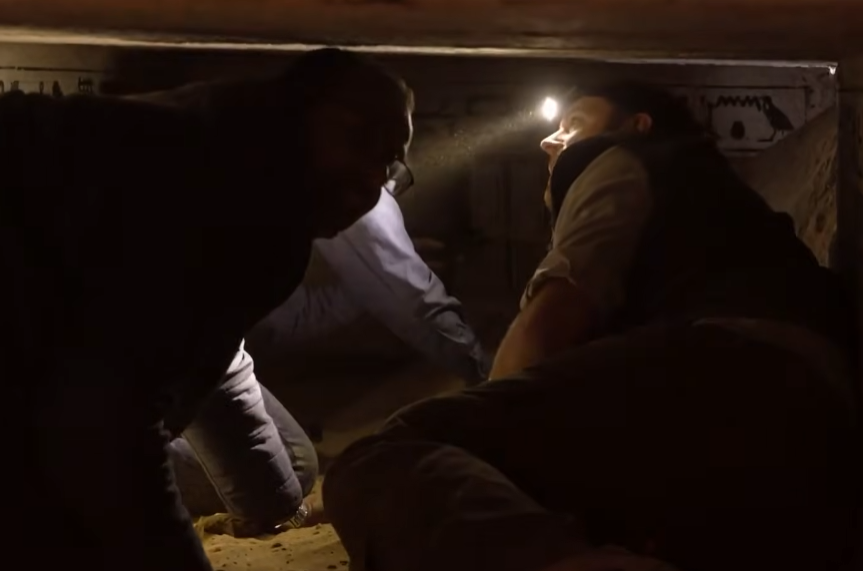
From a historical perspective, any discovery within the temple of death could be transformative. Ancient coins, manuscripts, or engineered artifacts could provide concrete evidence of the cultural or societal context that created Oak Island’s complex underground systems. This would validate many of the hypotheses that have circulated for decades, from Templar theories to global lost system conjectures, while also enhancing the show’s credibility as a documentarian of both history and exploration. The implications extend beyond television ratings; discoveries could influence archaeologists, historians, and treasure hunters worldwide, setting new standards for excavation technology, safety, and preservation of ancient sites.
In conclusion, Season 13 of The Curse of Oak Island is more than a treasure hunt—it is a high-stakes exploration of human courage, ingenuity, and the limits of risk. By venturing into the temple of death, the team confronts not only the physical challenges of excavation but also moral and historical responsibilities. Analysts and viewers alike can anticipate a season marked by tension, critical decisions, and potentially transformative discoveries. Whether the crew will safely unlock the secrets hidden beneath Oak Island, or whether the temple will claim another chapter in the island’s long list of unexplained phenomena, remains the ultimate question—one that will define both the season and the ongoing legend of Oak Island.