SHATTERED COASTLINES, HISTORICAL CLUES: Storm Erosion Yields Trove of Ancient Artifacts on Oak Island
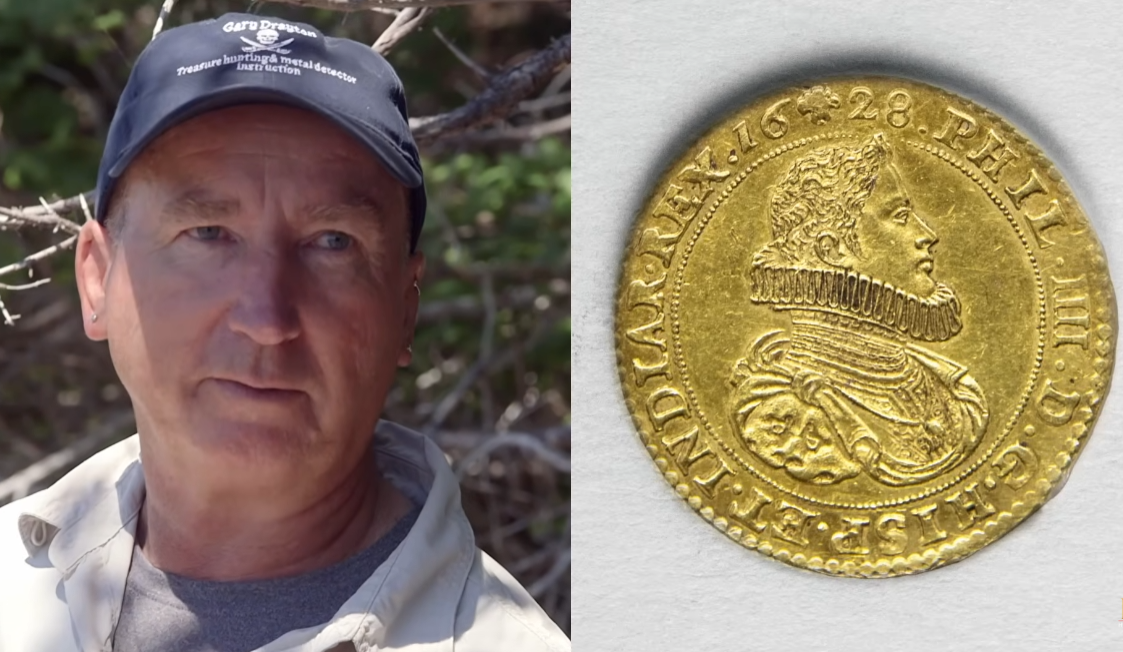
A series of brutal North Atlantic winter storms has inadvertently provided a massive breakthrough for the long-running multi-million-dollar archaeological investigation on Oak Island. The severe weather caused dramatic beach and bluff erosion along the island’s perimeter, stripping away layers of earth and exposing a remarkable collection of centuries-old military ammunition, ancient currency, and heavy industrial artifacts.
Seizing on the sudden geographical changes, the excavation team—led by brothers Rick and Marty Lagina—mobilized veteran metal detection expert Gary Drayton for an intensive surface offensive. Operating across previously inaccessible shorelines and newly dredged spoils, Drayton and the field crew recovered several highly significant items that could fundamentally rewrite the timeline of human presence on the island prior to the legendary 1795 discovery of the original Money Pit.
The Secrets of Isaac’s Point
The search commenced at Isaac’s Point, the easternmost tip of the island, where high-energy waves had aggressively carved out the coastal bluffs. Drayton, accompanied by team members Jack Begley and Peter Fornetti, immediately struck a series of high-density targets.
Among the first items unearthed was a heavily corroded, manually forged iron woodcutter’s axe, followed swiftly by a deep copper coin showing intricate, irregular geometric designs. Given the island’s lack of documented permanent inhabitants before the late 18th century, the discovery of pre-1790s European currency strongly implies the presence of early treasure depositors or maritime explorers.
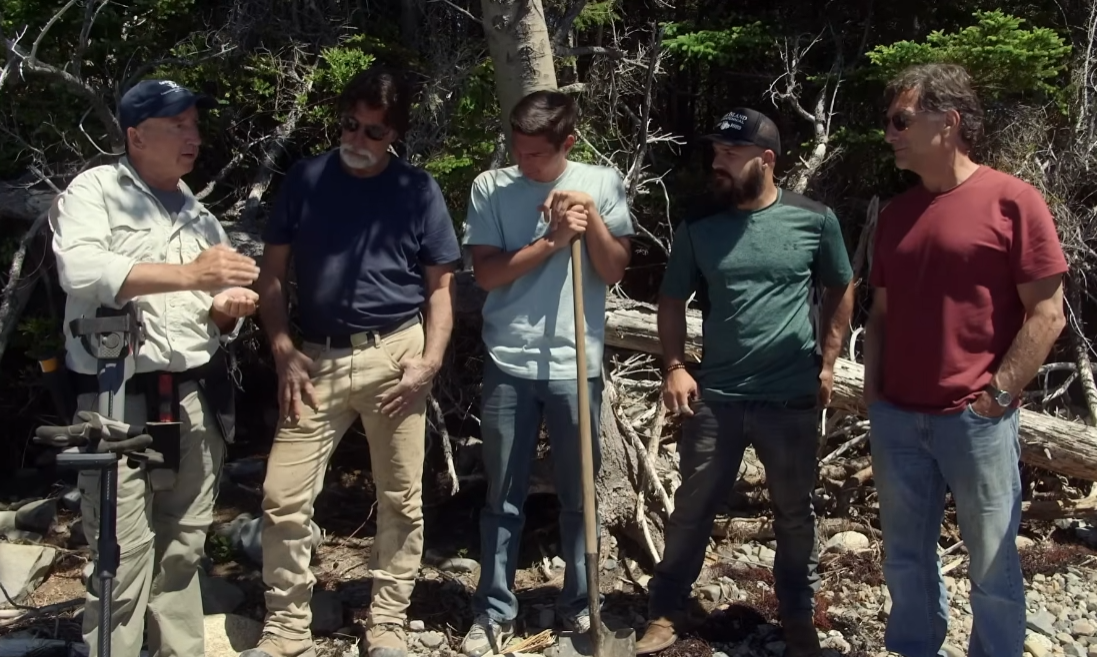

The coastal survey took an even more dramatic turn when Drayton isolated a distinct, jumpy signal trapped at an angle within the eroded banks. Digging into the sand, the crew recovered a “cut maravedi”—a Spanish-made copper coin intentionally chiseled into sections to make monetary change. Popularly deemed the first currency of the New World, the maravedi was heavily utilized by 17th-century explorers and golden-age pirates as direct payment for ship crews.
The recovery of a second Spanish maravedi on the island reinforces the theory that maritime privateers frequented the territory long before the British military established a formal presence. “This is a top-pocket find,” Drayton informed an ecstatic Rick and Marty Lagina via a field briefing. “I’ve got no doubt that’s 1700s—it might even be in the 16s.”
Subterranean Tunnels and Military Conflict
The survey subsequently shifted inland toward the eastern border of the island’s mysterious swamp, where archaeologists Dr. Aaron Taylor and Miriam Amirault were actively uncovering a suspected stone cellar feature. Scanning a deep trench line excavated by heavy equipment operator Billy Gerhardt, Drayton and David Fornetti isolated a powerful, high-conductivity signal embedded deep within the trench wall.
Dr. Taylor carefully extracted a dense, remarkably heavy iron artifact identified by Drayton as an ancient caster wheel. The design matches the heavy-duty dollies and mining carts historically utilized to transport heavy materials through narrow underground shafts. Given that the fellowship previously discovered 15th-century tunneling picks on a neighboring lot, the caster wheel provides compelling evidence of an organized, sophisticated subterranean engineering project executed centuries ago.
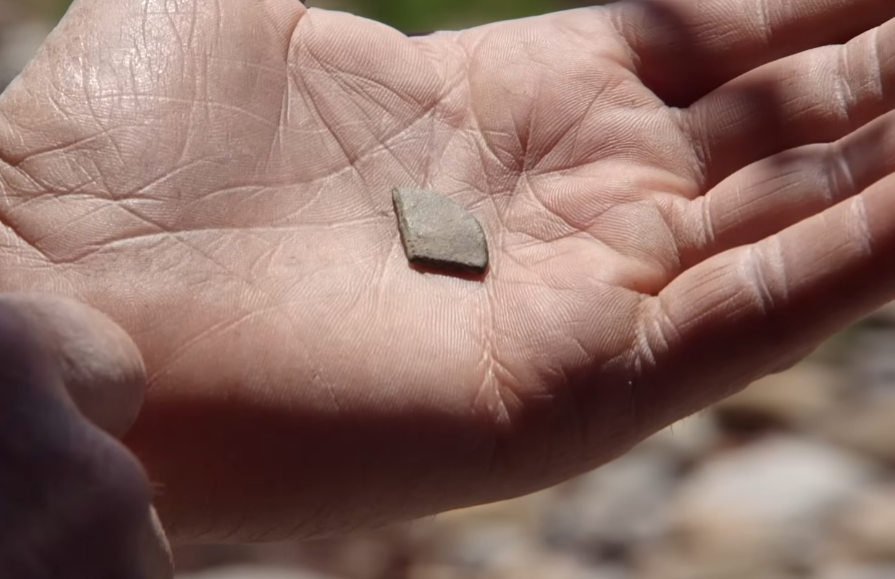
The day concluded with an equally explosive discovery on Lot 16, where the team uncovered a dense metallic sphere identified as a piece of grape shot. This short-range artillery ammunition, consisting of tightly packed iron balls fired from a cannon, dates back to 15th-century naval and land warfare. The presence of military-grade ammunition suggests that Oak Island may have been the site of an undocumented, violent historical skirmish.
Reflecting on the day’s staggering yield, Rick Lagina emphasized that the team has barely scratched the surface of the island’s 132-acre footprint. The recovered artifacts have been expedited to the on-site research laboratory for immediate chemical testing, cleaning, and definitive dating.