Small Finds, Big Meaning: Why Oak Island’s “Minor” Artifacts May Be the Most Important Clues of Season 13
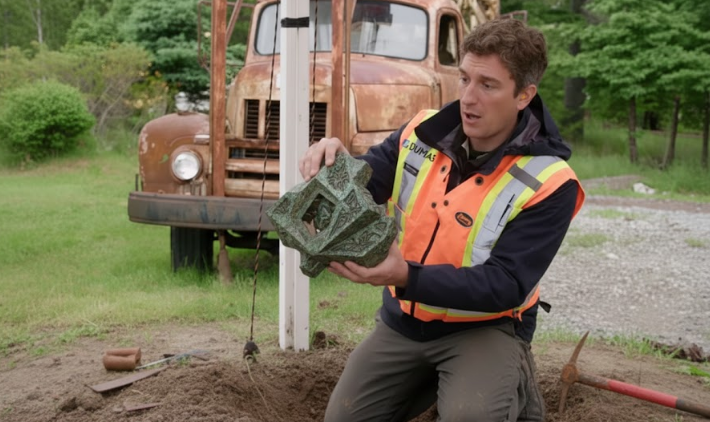
For long-time viewers of The Curse of Oak Island, one truth has become increasingly clear: the island rarely gives up grand, cinematic discoveries. There are no overflowing chests hoisted from the Money Pit, no dramatic reveals of vault doors swinging open. Instead, Oak Island communicates through fragments—small, easily dismissed objects that, when viewed in context, suggest something far more deliberate beneath the surface.
Season 13 has sharpened this pattern more than ever. Beads, oddly shaped metal fragments, and a mysterious round, light-reflective object captured on camera have become central talking points among fans. Individually, these items may appear mundane. Collectively, they raise a critical question that now sits at the heart of the investigation: are these traces of ordinary daily life, or evidence of ritual activity and intentional concealment?
Why Small Objects Matter on Oak Island
Oak Island archaeology operates under a different logic from conventional digs. The island has been disturbed for more than two centuries, with repeated excavations collapsing tunnels, redistributing soil, and destroying stratigraphy. In such an environment, large artifacts are unlikely to survive intact. What does survive are durable, portable items—objects that could fall into cracks, lodge in voids, or be intentionally placed where larger materials could not endure.
This is why the team, led by Rick Lagina and Marty Lagina, has increasingly focused on small finds rather than dramatic structures alone. A bead, a fragment of worked metal, or a polished spherical object can reveal trade networks, cultural identity, and—most importantly—intent.
Beads: Decoration or Declaration?
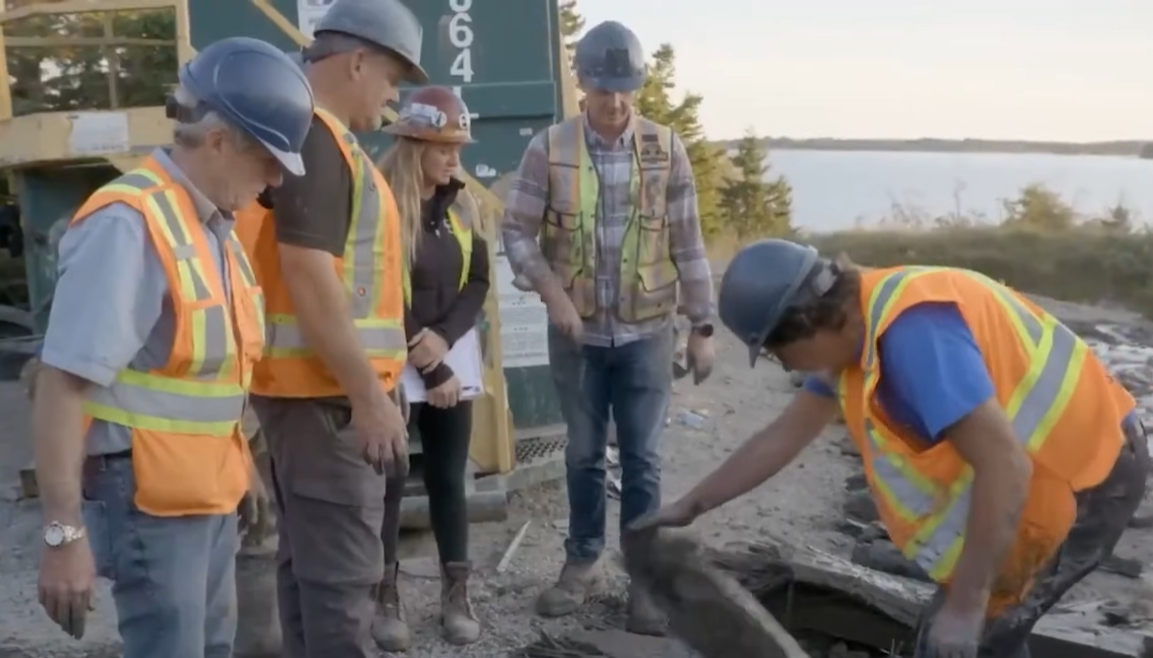
Beads are among the most deceptively powerful artifacts in archaeology. Across centuries and continents, they have served multiple roles: personal adornment, trade currency, religious symbolism, and markers of group affiliation. In Season 13, the appearance of beads has reignited debate about who may have visited—or occupied—Oak Island.
If these beads were purely utilitarian or decorative, their presence might suggest transient activity: sailors, laborers, or settlers passing through. However, the contexts in which they appear complicate that explanation. Beads found in association with engineered features or disturbed subsurface layers imply purposeful placement rather than accidental loss.
Historically, beads were often used in ritual contexts—burials, offerings, or symbolic acts tied to secrecy and identity. If the Oak Island beads align stylistically or materially with known medieval or early modern traditions, they could indicate that the island was not merely a work site, but a place imbued with meaning.
Unusual Metal Fragments and the Question of Function
Season 13 has also drawn attention to metal fragments that defy easy categorization. These are not clearly tools, weapons, or fasteners. Their shapes appear irregular, sometimes worked, sometimes seemingly broken from a larger whole.
From an analytical standpoint, such fragments often point to secondary processes. They may be remnants of dismantled objects, deliberately altered to remove identifying features. In historical concealment practices, valuable or symbolic items were sometimes broken or separated before being hidden, ensuring that no single piece revealed the full story.
Alternatively, these fragments could be components of mechanisms—locking systems, structural reinforcements, or containers—that once protected something more valuable. If so, their presence supports the long-held theory that Oak Island’s subsurface features were engineered with foresight, not improvisation.
The Round, Reflective Object: Accident or Intention?
Perhaps the most debated moment of Season 13 comes from camera footage showing a small, round, light-catching object beneath a rock feature. Its near-perfect shape and reflective quality immediately set it apart from natural stone.
Analytically, the importance of this object lies less in what it is and more in where it is. Objects of regular geometry rarely form naturally in disturbed soil environments. When they appear in confined spaces—especially beneath stones that show signs of deliberate placement—the probability of human involvement rises sharply.
If the object proves to be organic or mineral in origin, it will still demand explanation. If it is manufactured, even at a small scale, it could serve as a marker rather than a treasure—an indicator placed to signal something nearby, or to test whether an intruder had reached a critical point.
Daily Life or Deliberate Concealment?
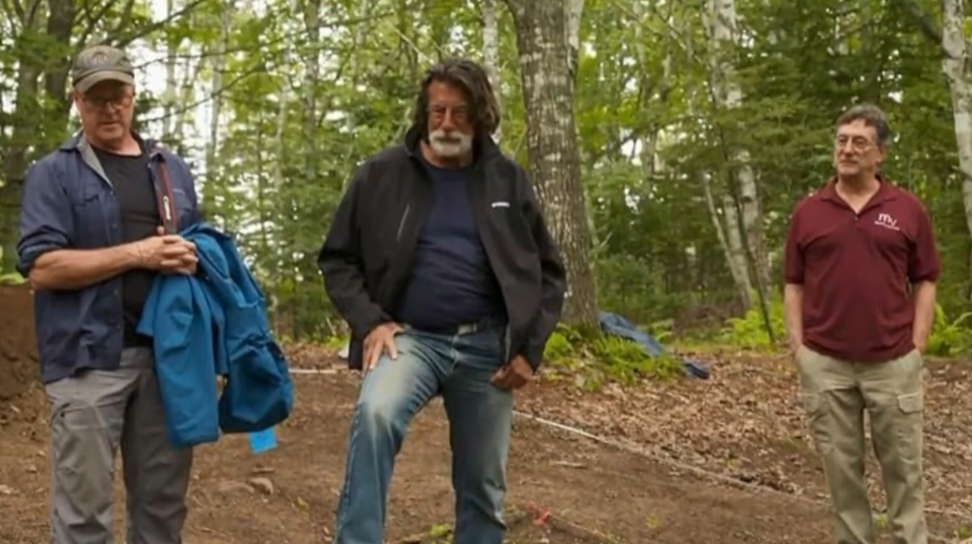
The central debate now confronting the Oak Island team is whether these small artifacts represent everyday activity or intentional acts tied to secrecy. Ordinary settlement debris tends to scatter randomly, reflecting repeated use over time. What Season 13 increasingly suggests is pattern.
Beads appearing near engineered features. Metal fragments found in disturbed but structured contexts. A spherical object hidden beneath a stone that appears deliberately “pinned” in place. These are not the signatures of casual loss. They point toward design.
What Happens Next?
From an analytical perspective, the next phase of the investigation will likely focus on micro-context rather than dramatic excavation. Soil removal by vacuum, fine screening, and precise metal detection will become essential. If additional small artifacts emerge from the same confined spaces, the argument for intentional placement strengthens considerably.
Season 13 may not deliver a singular, headline-grabbing discovery. Instead, it appears poised to do something arguably more significant: redefine Oak Island as a site of controlled activity, where small objects carried meaning far beyond their size.
For viewers, this represents a shift in how success is measured. The island may never surrender a grand reveal. But through beads, fragments, and carefully hidden markers, it may already be telling its story—one subtle clue at a time.