THE ENGINEER’S TRIUMPH: Marty Lagina Decodes Oak Island’s 12-Vault Masterpiece
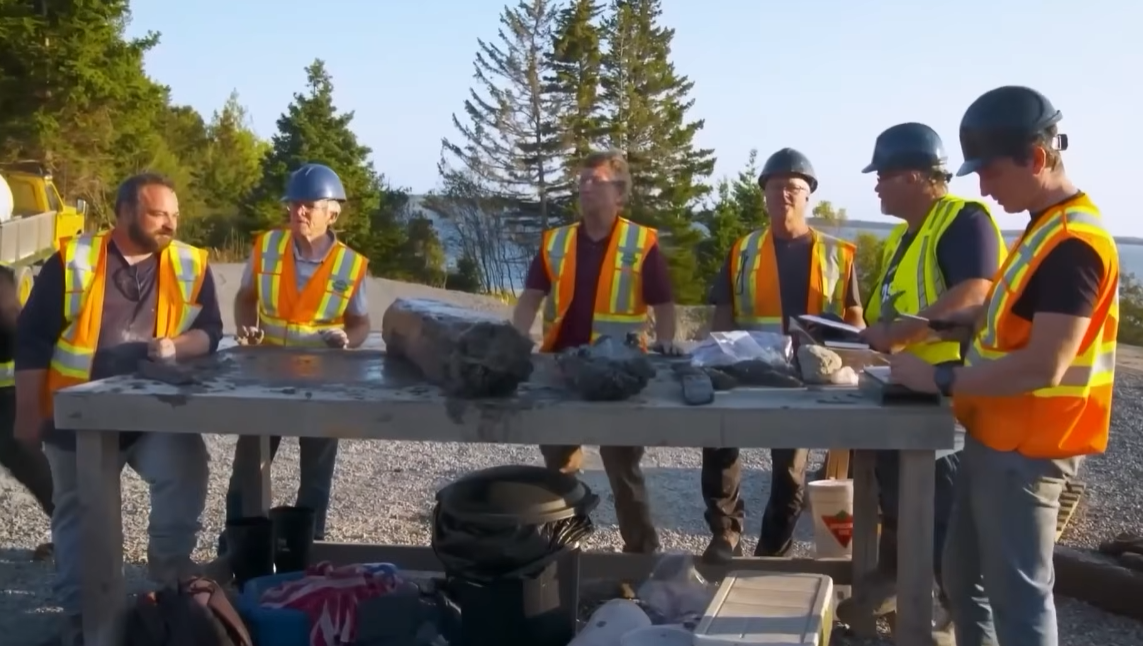
For 230 years, Oak Island was the graveyard of romanticists and dreamers. Today, it stands as a monument to engineering. In a move that has stunned the archaeological community, Marty Lagina—the pragmatic, data-driven half of the Lagina brotherhood—has successfully located and breached 12 interconnected underground chambers, recovering a treasure haul valued at an estimated $181 million.
The discovery was not the result of a lucky strike or a psychic’s whim. Instead, it was the culmination of a decade of “structured analysis.” By compiling ten years of seismic surveys, drilling logs, and water-flow data into a 3D model, Marty identified a pattern: the island’s notorious flood tunnels were not random traps, but a sophisticated, integrated hydraulic system designed to protect a geometric array of a dozen vaults.
The Most Dangerous Dig in History
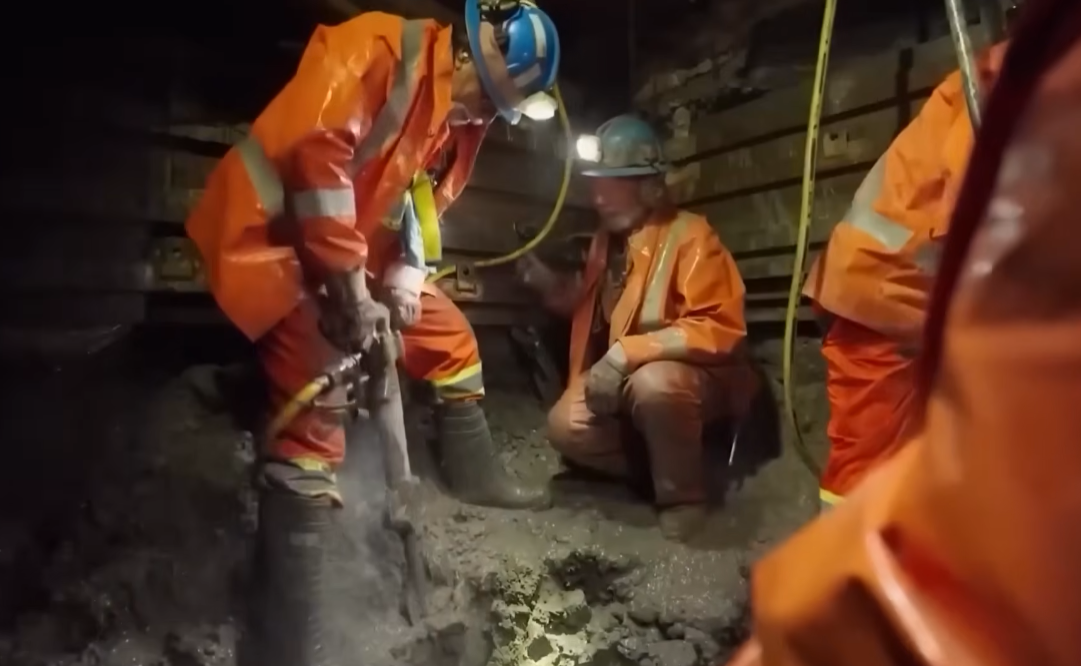
Reaching the vaults required what observers are calling the most complex mining operation ever attempted in North America. To prevent the entire island from catastrophically flooding, Marty designed a “synchronized excavation.” This required 12 separate teams, totaling over 60 personnel, to dig simultaneously toward junction points in the flood system.
“Imagine diffusing a bomb with 12 wires,” Marty explained from the command center. “You can’t simply cut one. You must neutralize all 12 at exactly the same time, or the system activates.”
At 3:47 p.m. on the third day of the operation, the 12 teams hit their marks. Within a 90-second window, they engaged specialized pumps and pressure-release valves. The water pressure stabilized, the flood tunnels were neutralized, and for the first time in two centuries, the path to the treasure was dry.
[Image: Marty Lagina in the command center, surrounded by monitors showing 12 simultaneous live feeds of the excavation sites]
A $181 Million Repository
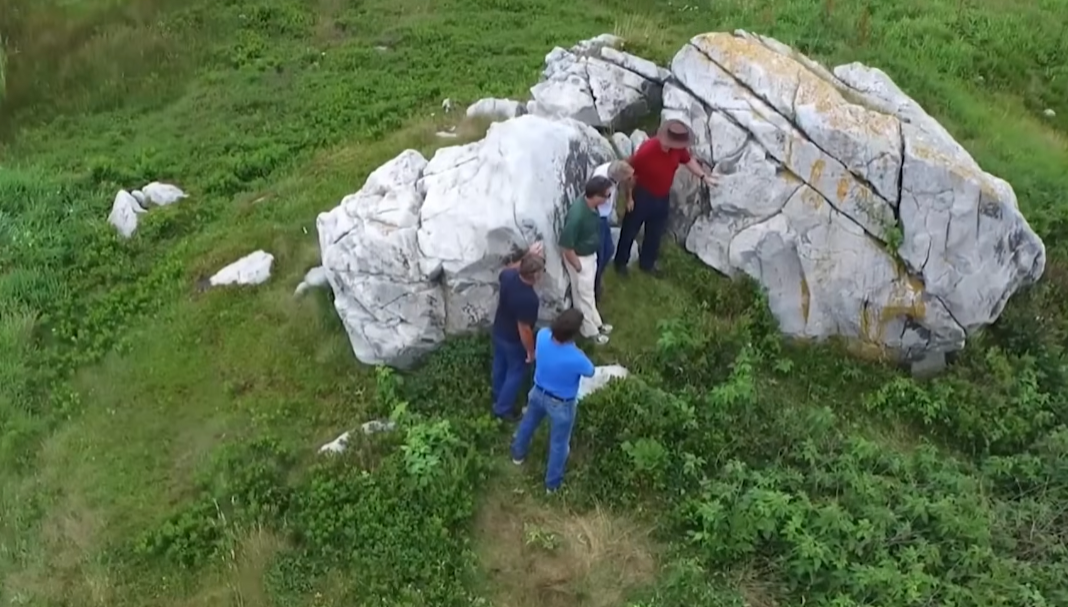
As the teams breached the sealed stone walls of the chambers, the scale of the find became clear. Far from being a simple pirate cache, the island served as a high-security colonial repository.
The Inventory of the 12 Chambers:
-
Chamber 6 (The Great Vault): Contained $31 million in gold bullion and precious gemstones.
-
Chamber 12 (The Historical Vault): Located at 75 feet, this chamber held waterproof lead cylinders containing official colonial records and maps.
-
Total Monetary Value: $181 million in gold bars, Spanish doubloons, silver bullion, and religious relics.
Beyond the gold, the documents in Chamber 12 solved the “Who and Why.” They reveal the site was a French colonial treasury, built between 1748 and 1751 to protect state wealth from British seizure during the mid-18th-century colonial wars.
From Legend to History
The Canadian government has since declared Oak Island a National Historic Location. The “Lagina Method”—treating treasure hunting as an engineering science rather than a quest—is now being studied in academic journals. Marty has used a portion of his windfall to establish the Lagina Engineering Scholarship, supporting students who combine the fields of archaeology and structural analysis.
“I questioned the legends,” Marty reflected while surveying the cataloged artifacts. “But I never questioned that if something existed here, engineering could locate it. Oak Island wasn’t a mystery; it was a problem. We just finally provided the right solution.”
The recovery operation, completed with zero safety incidents, officially brings to a close the longest-running treasure hunt in history. The skeptic who demanded proof has, at last, provided it.