The “Eye of the Swamp” discovered on Oak Island and a mysterious treasure hidden deep within.

Oak Island has long been a focal point for treasure hunters and historians alike, with the legendary Money Pit capturing imaginations for over two centuries. The latest developments, however, suggest that the island may still be hiding secrets far beyond the infamous shaft. Investigators Rick Lagina, his nephew Alex, metal detection expert Gary Drayton, and excavation specialist Billy Gerhardt have uncovered compelling evidence near a mysterious cobblestone pathway in the northern region of the swamp, a site that has been dubbed the “Eye of the Swamp” due to its eerie resemblance to the Masonic symbol known as the All-Seeing Eye.
The discovery was made during careful excavation, with the team analyzing layers of logs, timbers, and rocks that appear to have been deliberately arranged. “There’s got to be something here. We’re really close to the shore in an area with a lot of history,” remarked Gary Drayton, reflecting the anticipation surrounding the find. The investigators identified a series of platform and carry logs, some running north-south and others east-west, with an intentional layer of cobbles beneath them. The construction appeared designed to support massive weight, suggesting a purpose far beyond ordinary swamp work.
Experts on site, including Dr. Spooner, have been called in to analyze organic samples from the logs and other materials to determine the age and provenance of the structures. Early analysis suggests that some elements of the Eye of the Swamp were created between 1680 and 1700, aligning with theories surrounding the 17th-century English treasure hunter Sir William Phips and his associate Captain Andrew Belcher. Phips, commissioned by the English crown, conducted salvages of the Spanish treasure galleon Concepción, which sank near the Dominican Republic in 1641. While records indicated the recovery of significant gold and silver, less than half of the ship’s manifest was accounted for, fueling speculation about hidden caches on Oak Island.
The strategic arrangement of the cobbles and timber platforms indicates a methodical approach to constructing a working surface in the swamp. “If you’re moving through a bog, you would have to have a platform from which to work,” explained Rick Lagina. The size and orientation of the logs, combined with the carefully placed rocks, suggest industrial-level planning. Laird Niven and other team members noted that the construction’s precision was extraordinary, pointing to the possibility that the feature was deliberately engineered to support heavy excavation or transport of valuables.
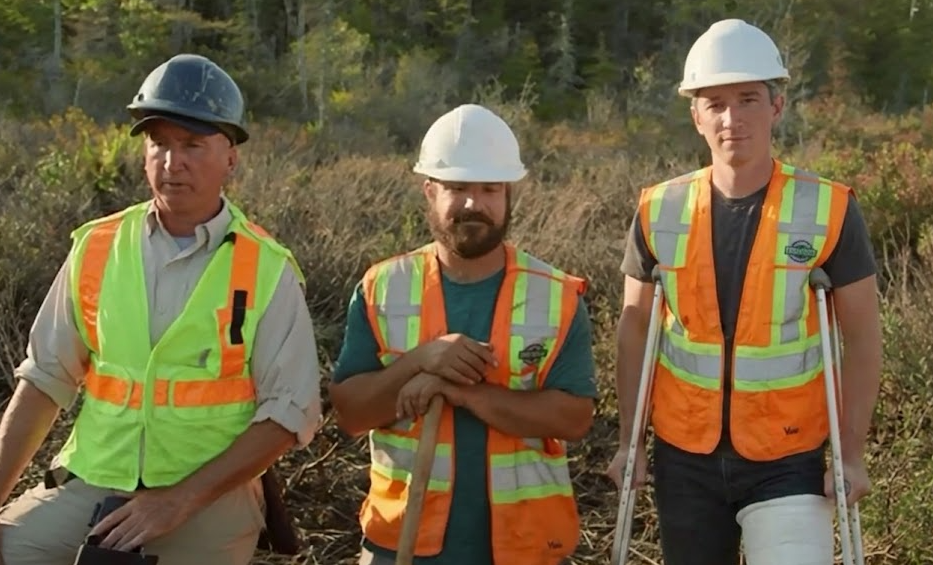
The investigative team has theorized that the Eye of the Swamp and adjacent features may be connected to the William Phips treasure theory. By dating the lowest pieces of wood and correlating them with the cobbles, the team hopes to establish whether the structures were part of a coordinated attempt to conceal treasure brought to the island during Phips’ expeditions. Evidence recovered from nearby Lot 5, including iron tools linked to Phips’ operations, further bolsters this theory.
While the Eye of the Swamp alone provides tantalizing clues, its proximity to other man-made features in the swamp suggests a more complex network of engineered structures. The team has been carefully mapping the area, identifying potential ramps, platforms, and supporting logs that could indicate systematic treasure concealment. Each discovery prompts further questions: who constructed these features, what was their purpose, and could they point to additional caches of gold or silver beyond the Money Pit itself?.
The logistical challenges of excavation in the swamp are immense. Heavy timber and rock layers must be carefully documented and removed to preserve historical integrity while also preventing damage to potential treasure. Billy Gerhardt, Alex, and Gary Drayton have meticulously sorted debris and coins from the excavated material, noting that the cobbles and timber arrangements differ significantly from natural formations observed elsewhere on the island. “It’s quite a collection of rock…you don’t see this on the beach,” Rick noted, highlighting the unusual nature of the site.
The Eye of the Swamp has sparked renewed interest in Oak Island, both among seasoned treasure hunters and a wider public fascinated by its enduring mysteries. Its symbolic resemblance to Masonic imagery, combined with the precise engineering evident in the timber and cobble arrangement, has drawn speculation about the involvement of secretive 17th-century groups. Whether these features were intended to protect treasure, mark a burial site, or serve some other function remains under investigation, but their scale and complexity are undeniable.
With the application of modern archaeological techniques, including radiocarbon dating of the timbers and analysis of organic materials, the Oak Island team hopes to establish a clearer timeline for the construction of the Eye of the Swamp. Early results suggest a deliberate, industrial-scale effort consistent with the Phips salvage missions, raising the possibility that Oak Island’s secrets extend far beyond the Money Pit and its surrounding legends. The meticulous work of the team continues, with each layer of wood and stone providing further evidence that this swamp has been manipulated with extraordinary intent over the centuries.

As the investigation progresses, Rick, Alex, and the team remain cautious yet optimistic. Every discovery—whether a cobble, a timber, or a previously unseen formation—adds a piece to the puzzle, slowly revealing the methods and motives of the island’s early operators. The Eye of the Swamp, with its imposing scale and strategic construction, is perhaps the most compelling clue yet that Oak Island holds more historical and monetary secrets than previously imagined.
The combination of historical records, precise engineering, and modern analysis positions the Eye of the Swamp as a potentially pivotal element in understanding the 17th-century treasure narrative. Whether it leads to tangible treasure or more insights into past maritime operations, this feature underscores that Oak Island remains one of the most intriguing and enduring archaeological mysteries in North America