The Lagina brothers are getting closer to the treasure on Oak Island!
For more than two centuries, Oak Island has captivated explorers, historians, treasure hunters, and television viewers with the promise of a hidden fortune buried beneath its soil. Now, in a stunning development that may mark the most significant moment in the island’s long and mysterious history, Rick and Marty Lagina have announced that their team has made a discovery they believe could finally rewrite the legend of Oak Island forever.
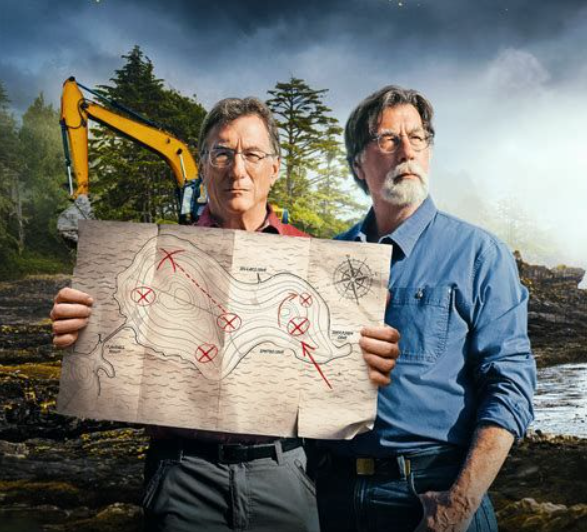
Situated off the south shore of Nova Scotia, Oak Island is a 57-hectare stretch of rugged land resting quietly among the 360 islands of Mahone Bay. Linked to the Chester mainland by a short causeway, the island has been the subject of intense speculation since the late 1700s, when rumors of buried treasure and secret tunnels first emerged. From that era onward, dozens of treasure hunters—armed with determination, engineering ingenuity, and sometimes reckless optimism—have attempted to unearth its secrets.
But none have come as close, or worked as tirelessly, as the Lagina brothers.
A Lifetime’s Obsession Becomes a Global Phenomenon
The Laginas’ decades-long pursuit of Oak Island’s secrets began with Rick Lagina’s childhood fascination after reading about the mysterious “Money Pit.” Partnering with fellow explorer Dan Blankenship, Rick, Marty, and a team of engineers, archaeologists, divers, and historians transformed their quest into the hit television series The Curse of Oak Island—bringing millions of viewers along for every triumph and disappointment.
Over the years, their systematic approach and cutting-edge technology yielded numerous artifacts: pottery fragments, ancient coins, wooden structures, coded documents, and metal objects from multiple centuries. Each season revealed new layers of the island’s past, but the ultimate treasure remained stubbornly out of reach.
Roman Relics, Templar Clues, and the Expanding Mystery
Among the most startling discoveries was a Roman-era sword found in a dug shaft during Season 3—suggesting the possibility of transatlantic contact long before Columbus. Soon after, a coin bearing a symbol associated with the medieval Knights Templar further deepened the mystery.
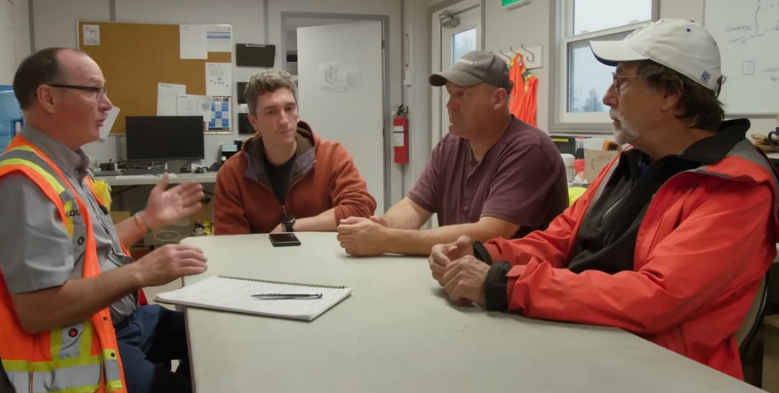
These finds hinted that Oak Island’s secrets predated colonial settlement by centuries. More pottery fragments, Venetian beads, and structural timbers supported the theory that multiple groups—explorers, traders, or secret societies—may have visited the island over hundreds of years.
The turning point came in Season 4, when the team uncovered an intricately drawn 1647 map from France. Its mysterious symbols and markings, analyzed by historian Zena Halpern, pointed toward Freemason and Templar involvement and suggested that earlier maps might have been copied from even more ancient sources.
New Technology, New Leads, and a Growing Sense of Discovery
As the Lagina brothers pressed on, their techniques advanced. Magnetometers, underwater drones, high-resolution cameras, and scanning radar revealed anomalies both on land and beneath the water around Frog Island. Diver Tony Sampson and archaeologist Dr. Lee Spence discovered large metallic shapes under the seabed—potentially remnants of a shipwreck concealed by time and vegetation.
On Lot 8, metal detection specialist Gary Drayton uncovered a heavy metal object and a polished red gemstone—finds that some believe may be connected to Templar lore or even the Ark of the Covenant legend.
Meanwhile, another discovery—an early cannon replica matching 16th-century European designs—raised questions about a potential defensive installation on the island. If so, what was being protected?
Global Clues Linking Back to Oak Island
Seeking answers, the team traveled to Portugal, where they studied the Quinta da Regaleira estate—long associated with the Knights Templar. Rick Lagina was astonished to find a massive initiation well featuring nine levels, mirroring the legendary design of Oak Island’s Money Pit.
Further investigations at churches and convents linked to the Templars uncovered symbols remarkably similar to carvings found on Oak Island itself.
These connections strengthened the theory that the Templars—or later Freemasons—may have hidden something of extraordinary value in Nova Scotia centuries ago.
Pushing Through Rock, Water, and History
Back on Oak Island, the team confronted setbacks at their drilling site, including collapsed tunnels, ancient wooden beams, and a massive boulder wedged deep in the TF-1 shaft. Still, they persisted—unearthing a 1909 boot, centuries-old spikes, and gold traces embedded in timbers.
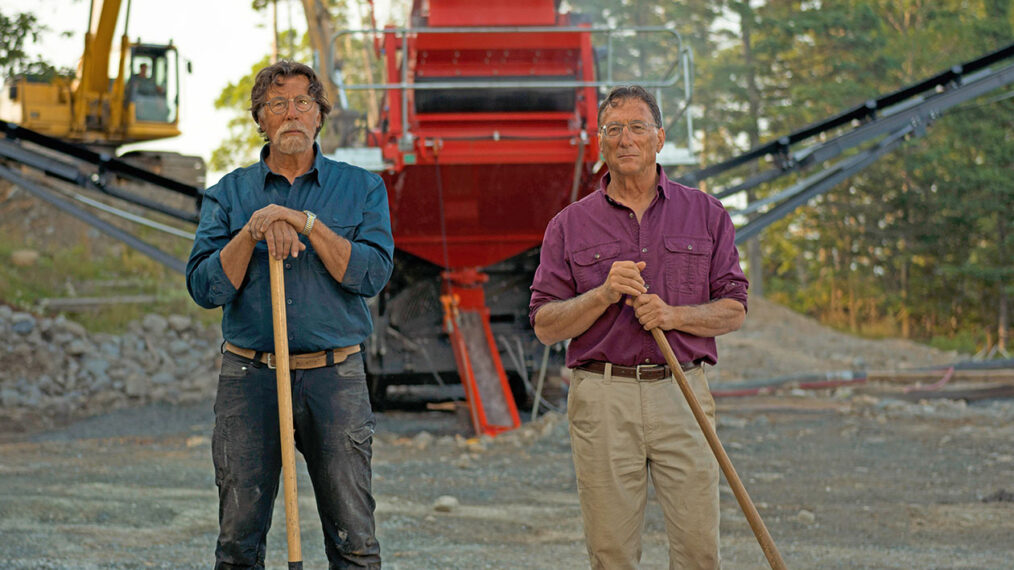
The discoveries suggested they were working only meters away from a long-lost vault.
The Announcement That Shocked Viewers
Now, after years of excavation and investigation, the Lagina brothers have confirmed their most significant breakthrough yet. While details remain closely guarded pending further analysis and provincial approval, the team has stated that they have uncovered a chamber containing “artifacts of major historical significance” and “material consistent with long-standing treasure legends.”
Though the full truth will unfold in coming episodes, one thing is certain:
Oak Island is closer than ever to giving up its greatest secret.
And for fans, historians, and dreamers worldwide, the wait has never been more exciting.