The Mysterious Depths of Oak Island: $185 Million Treasure and the New Revelations in Episode 10
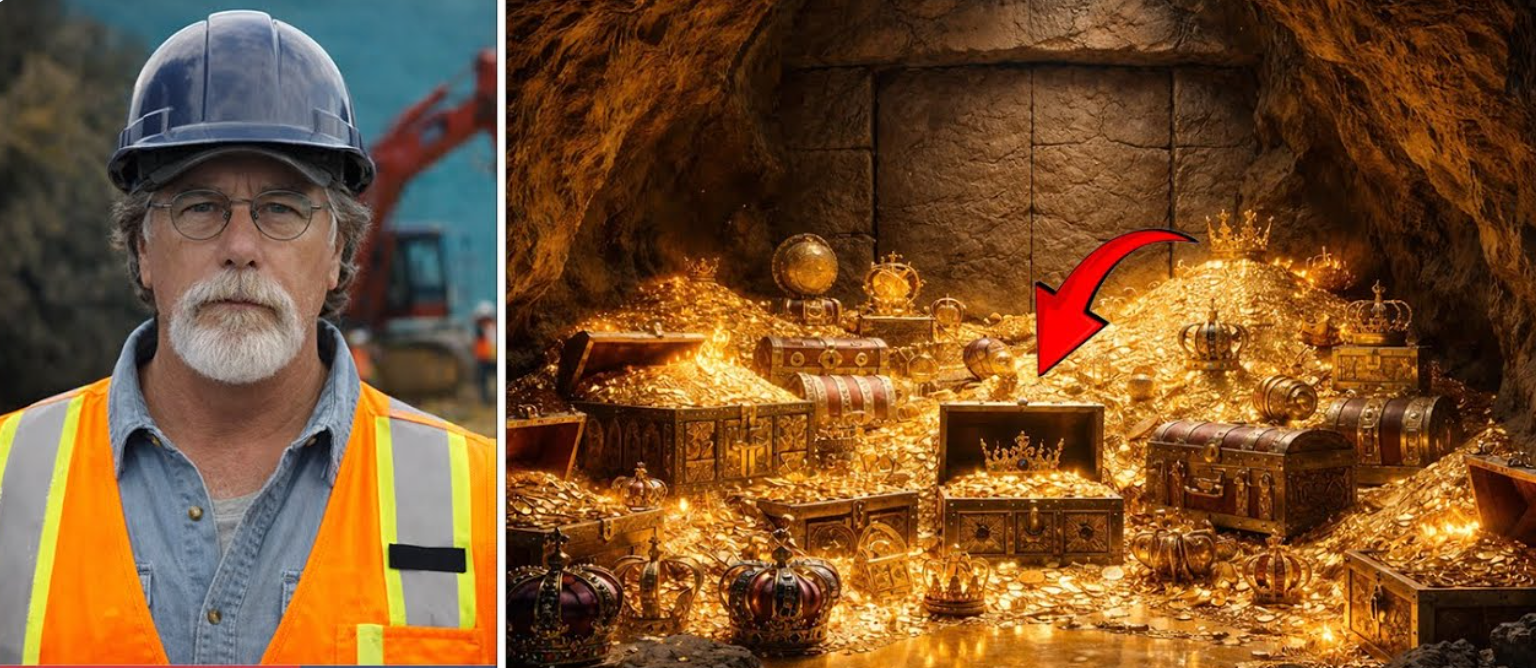
For centuries, Oak Island has remained an enigma, its secrets hidden beneath layers of earth and water, frustrating explorers, treasure hunters, and historians alike. Despite numerous attempts to uncover its treasures, the island’s intricate network of flood tunnels and collapses has thwarted every effort—until now. In the 10th episode of season 13 of The Curse of Oak Island, everything changed, as the team uncovered astonishing new findings that suggest the legendary treasure could be worth a staggering $185 million.
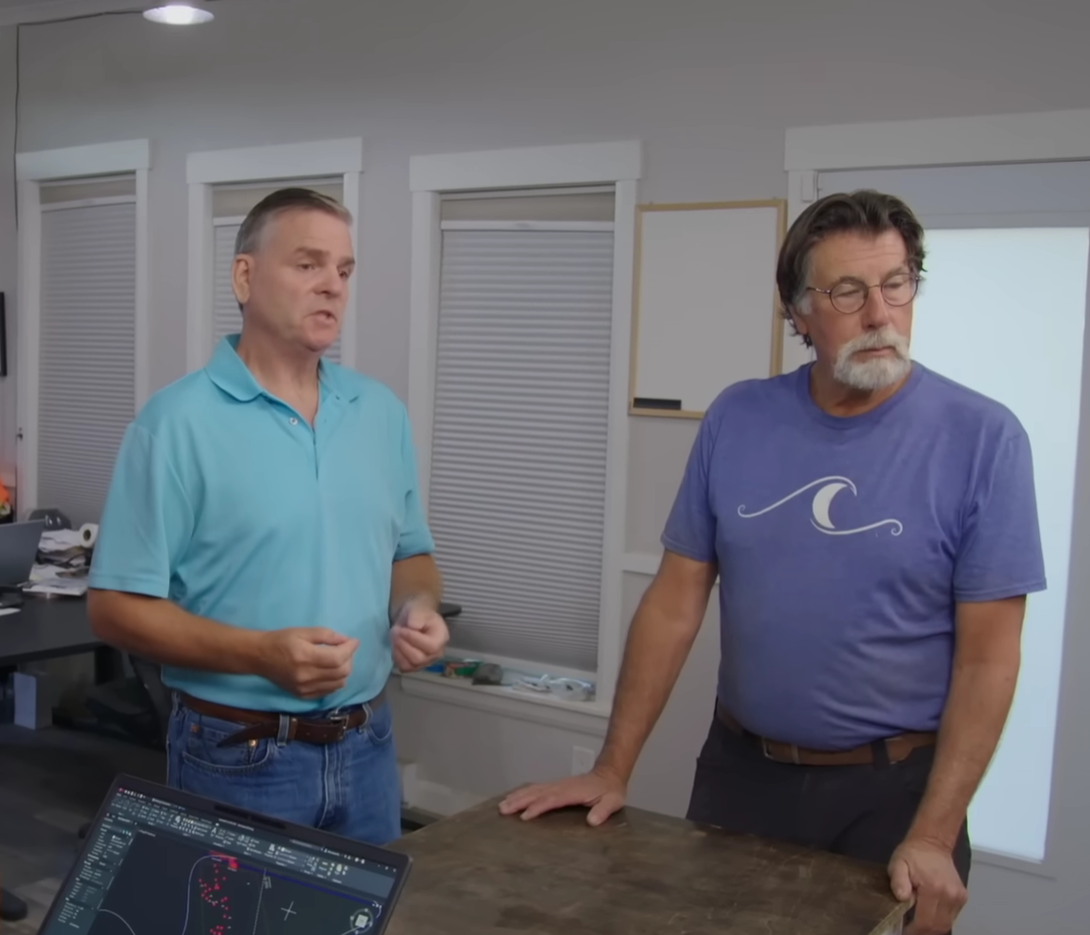
The episode marks a dramatic shift from speculation to confirmation, with technology and data leading the way. The team, led by Rick Lagina, has been drilling in a sector known as “the Peacock,” where they had already uncovered traces of gold. But it was the seismic readings and drilling results that revealed something even more significant: a 16-foot vertical drop into an abyss, with evidence pointing to a man-made structure deep within the money pit area. The implications of these findings are mind-blowing—this could be the treasure vault the team has been searching for all these years.
A Leap from Speculation to Evidence
For over two centuries, treasure hunters have relied on legends, myths, and incomplete records in their search for the Oak Island treasure. They’ve faced dead-ends, traps, and flooding, all while clinging to the hope that hidden gold and artifacts lay beneath the island’s surface. However, the recent drill site discovery changes the narrative completely.
In this episode, the team’s drilling efforts revealed a vertical drop that led to an area not identified in previous surveys. This drop was a startling anomaly—16 feet of empty space that should not exist in the geological strata of Nova Scotia, especially at that depth. The typical geology of the area—glacial till and limestone—would not support such a gap. But instead of another failed drill, this anomaly is seen as the potential roof of the long-sought treasure chamber, aligning perfectly with previous indications of a hidden vault.
Rick Lagina, known for his careful and strategic approach to the search, didn’t jump to conclusions. He didn’t rely on speculation or hype, but instead on the data presented. The drilling revealed subtle, delayed underground pressure responses that indicated something far more complex than a random collapse. These pressure shifts—rarely seen in natural geology—pointed to a controlled system beneath the island. This is a critical moment for the team, as they now know that the anomaly they encountered was intentional, not an accident of nature.
A Perfectly Designed System
The scientific data has radically changed how the team interprets Oak Island’s layout. What initially seemed like a series of random failures, with boreholes consistently missing their targets, is now seen in a new light. These seemingly failed drilling attempts were not failures at all—they were part of a larger, more sophisticated system designed to protect the treasure. Rather than being random geological anomalies, the pressure shifts revealed that the treasure was being safeguarded by a complex underground structure.
The realization that Oak Island’s treasure was not hidden randomly but intentionally placed to evade discovery is the biggest breakthrough in the history of the search. As Emma Culligan pointed out in the episode, the geometry beneath the island isn’t natural. The angles and structure of the walls discovered in the drilling indicate deliberate construction—sharp right angles and linear geometry that do not occur in nature. This suggests that the treasure chamber was designed not to be found by chance, but to mislead and confuse any would-be treasure hunters.
The implications of this discovery are enormous. If the chamber is indeed man-made, it implies that whoever created this system had advanced knowledge of engineering and a clear intent to protect whatever lay inside. Historical records, including flood logs and shipping manifests, seem to align perfectly with the pressure surges and self-sealing reactions that the team is now observing beneath the surface. These findings support the theory that the original builders didn’t abandon the treasure but stopped searching because the system was performing exactly as intended—slowing down intruders rather than preventing access entirely.
The $185 Million Vault
The ultimate question now is not if the treasure exists, but how much it is worth. Using advanced data analysis and geological models, engineers have calculated that the volume of the underground space could hold a massive fortune—$185 million worth of gold, silver, and artifacts. This isn’t a figure based on hope or speculation, but on physics and structural integrity.
The team’s calculations suggest that the treasure’s volume corresponds precisely to the transport capacity of a fleet of European ships operating during the relevant historical period. The sheer weight and volume of the treasure, including not just gold but also silver and ceremonial objects, indicate that it was carefully stored, organized, and preserved to withstand centuries of decay and intrusion.
The pressure readings have also provided another surprising insight. Rather than reacting destructively, the system seems to be actively managing the pressure from the drill, rerouting it to avoid destabilizing the structure. This unprecedented behavior is proof that the underground system was designed with far more sophistication than anyone ever imagined.
As Rick Lagina and the team prepare to continue their excavation, the realization that they are dealing with an ancient and deliberately constructed system changes everything. The money pit—once thought to be the primary target—may actually be a decoy, a distraction meant to divert attention from the real treasure. The treasure itself is likely to be located further along, beyond the traps and the dead ends, hidden in plain sight.
What Happens Next?
As the team moves forward, every decision becomes critical. They now understand that brute force and traditional methods won’t work. The key to unlocking the treasure lies in understanding how the system works, reading the subtle shifts in the earth, and interpreting the data in ways no one has done before.
For the first time in Oak Island’s long history, the focus isn’t just on finding the treasure—it’s on understanding the hidden logic of the island itself. Rick Lagina’s decision to continue drilling, despite the risks, marks a turning point. With the evidence mounting and the risk of permanently sealing the treasure away, the team has no choice but to proceed carefully and cautiously.
The story of Oak Island, long shrouded in mystery, is now unfolding in unexpected ways. The next step could lead them closer than ever to a discovery that will redefine history. As they continue to drill and analyze the underground system, the stakes couldn’t be higher.
For fans and treasure hunters alike, the wait for the final reveal is on. What will they find when they breach the reflective rectangle? A treasure that could change everything, or a final trap designed to keep it hidden forever? Only time will tell, but the 90% certainty that this is a man-made structure means that the search is closer to its conclusion than ever before. Stay tuned—Oak Island’s secrets are about to be uncovered.