VOICES FROM THE DEPTHS: Human Jawbone Discovery Shakes the Foundation of Oak Island
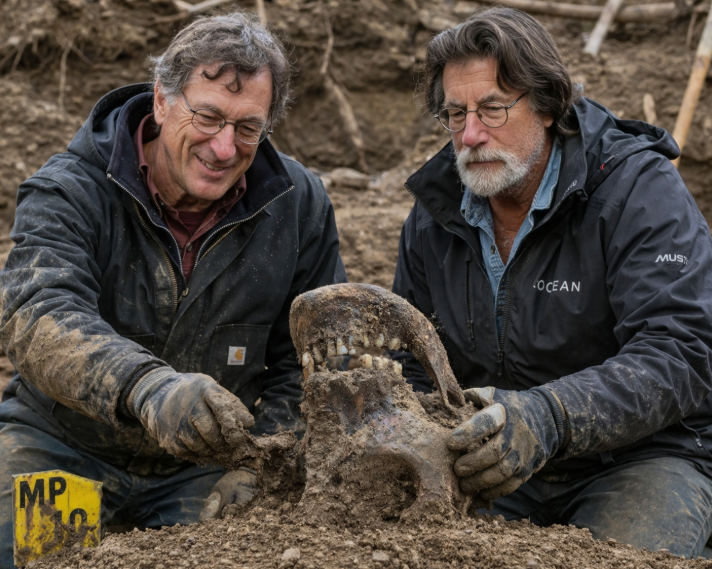
The search for the Money Pit has always been a quest for answers, but the latest discovery by the Fellowship of the Dig has provided a haunting, physical presence to the island’s enduring mystery. This week, during a high-resolution excavation of the “C-1” shaft—an area recently linked to the discovery of 14th-century Roman coins and an ancient stone tomb—Rick and Marty Lagina unearthed a startling piece of forensic evidence: a remarkably preserved human jawbone, still embedded in the island’s dense, glacial till.
The artifact, which appeared in the spoils of a heavy-duty oscillator dig, has sent shockwaves through the War Room. Unlike the scattered ancient warfare shells or metallic fragments found previously, this discovery represents a direct biological connection to the individuals who lived, worked, and perhaps died beneath the surface of Oak Island.
A Biological Time Capsule
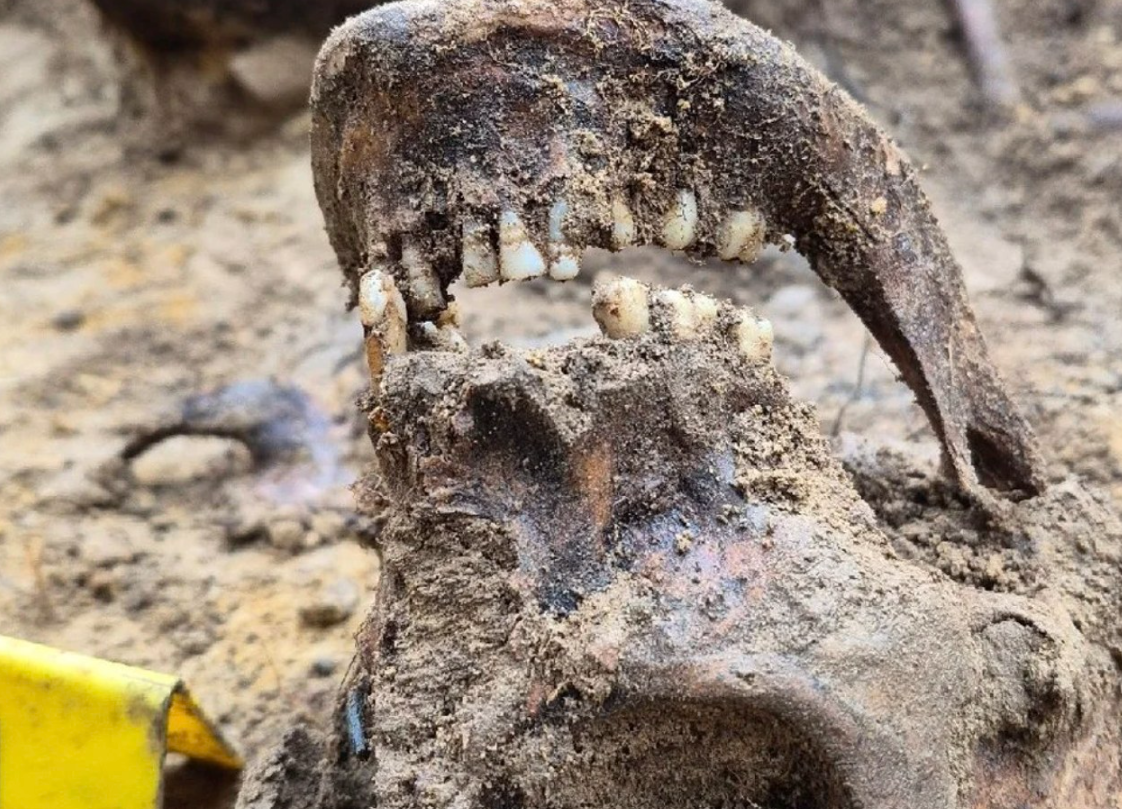
The jawbone was found encrusted in a layer of blue clay, a material known for its anaerobic properties that can preserve organic matter for centuries. Upon initial inspection by archaeologist Miriam Amirault, the specimen revealed several fascinating characteristics:
-
Dental Integrity: The teeth remain largely intact within the mandible, showing a level of wear consistent with a diet from several hundred years ago—lacking the refined sugars of the modern era but showing significant grit-related erosion.
-
Ancestral Clues: The structure of the jaw and the dental alignment provide immediate work for forensic anthropologists. Preliminary observations suggest the individual may have been of European descent, potentially linking the find to the Knights Templar or early Spanish explorers.
-
The “Final Moment”: The position in which the jaw was recovered, separate from other skeletal remains found earlier this season, suggests a high-energy event—perhaps a tunnel collapse or a catastrophic failure of the original flood tunnel system.
“We find wood, we find metal, we find coins,” Rick Lagina whispered as he viewed the find under a microscope. “But when you find a piece of a human being, the mystery becomes a tragedy. This person had a name. They had a reason for being here. It’s our job now to find out who they were.”
The Forensic Search for Truth
As per the strict protocols established with the Nova Scotia Department of Communities, Culture, and Heritage, the team has paused all heavy machinery operations in the immediate vicinity. The jawbone is now being prepared for a series of advanced tests led by Emma Culligan and a team of geneticists:
-
Stable Isotope Analysis: By analyzing the chemical composition of the tooth enamel, scientists can determine where this person grew up and what they ate during their formative years.
-
Carbon-14 Dating: This will provide a definitive window for when this individual lived, potentially proving once and for all if the island was occupied in the 1300s or if this was a later searcher from the 1800s.
-
DNA Sequencing: If successful, this could link the remains to specific European lineages, providing the “smoking gun” for the Templar or Royal French theories.
A Father’s Resolve and a Family’s Price
The discovery comes at a time of deep personal reflection for the team. With the ongoing absence of Alex Lagina following his own health struggles on the island, the sight of human remains has hit Marty Lagina particularly hard.
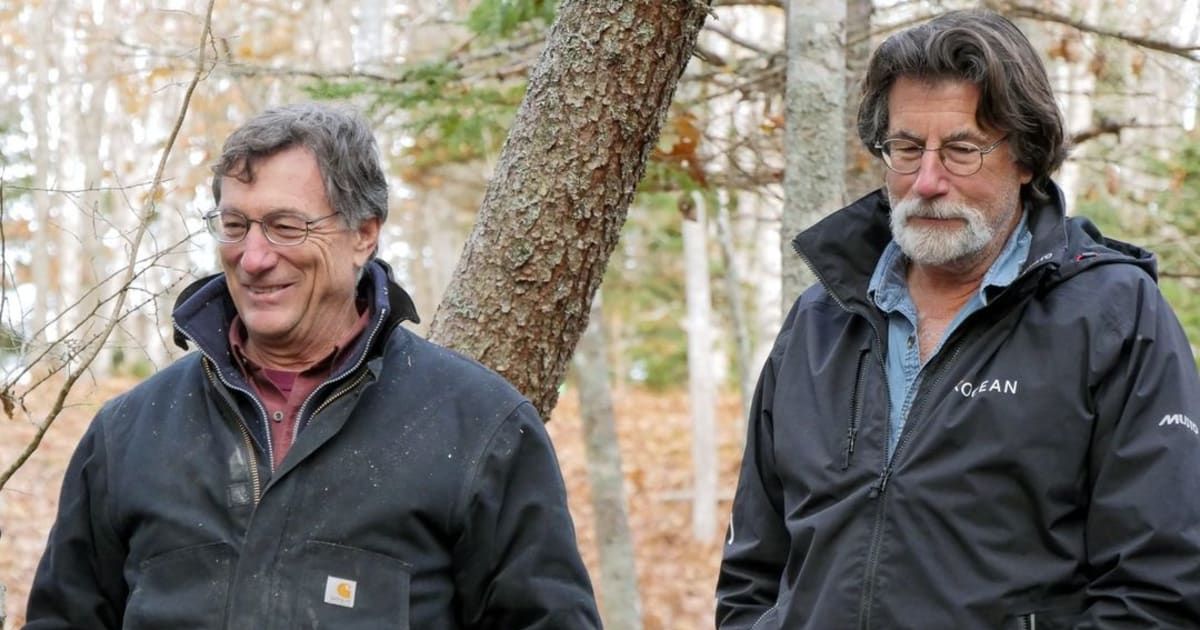
“Every time we dig, we are walking over the ghosts of the people who came before us,” Marty remarked. “It reinforces why we’ve spent so much on safety this year. The ‘Curse’ says seven must die—we are doing everything in our power to ensure that legend stays in the past while we honor those who didn’t make it out.”
The Gateway to the Tomb?
Speculation is rife that the jawbone was found near the entrance to the subterranean ancient tomb identified earlier this season. Some believe this individual may have been a “guardian” or a lead engineer of the original works, buried at the threshold of the island’s greatest secret.
As Season 13 moves toward its conclusion, the Fellowship is no longer just looking for gold. They are looking for the identity of a man who has waited in the dark for centuries to tell his story.