Flood Tunnel Secrets Unveiled: Oak Island Team Discovers Ingenious Traps
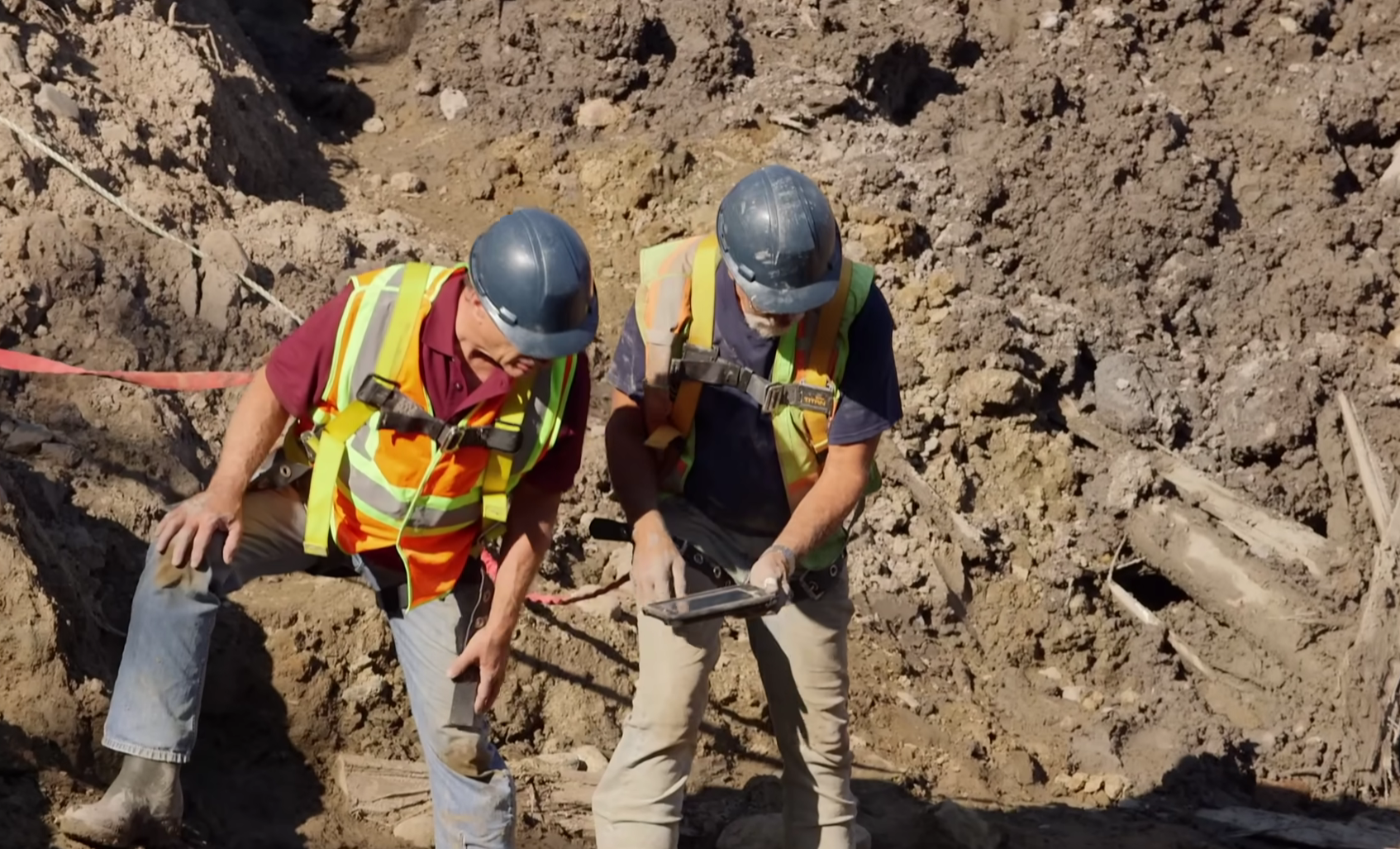
After decades of mystery and intrigue, the Oak Island team may be on the verge of solving one of the island’s most enduring mysteries. A new discovery near Smith’s Cove has brought them closer than ever to finding the elusive flood tunnel that has been a central focus of treasure hunters for centuries. What sets this find apart? It’s not just another piece of old wood or a rusted relic. This time, they’ve uncovered something that could finally confirm the location of the fabled flood tunnel—coconut fiber.
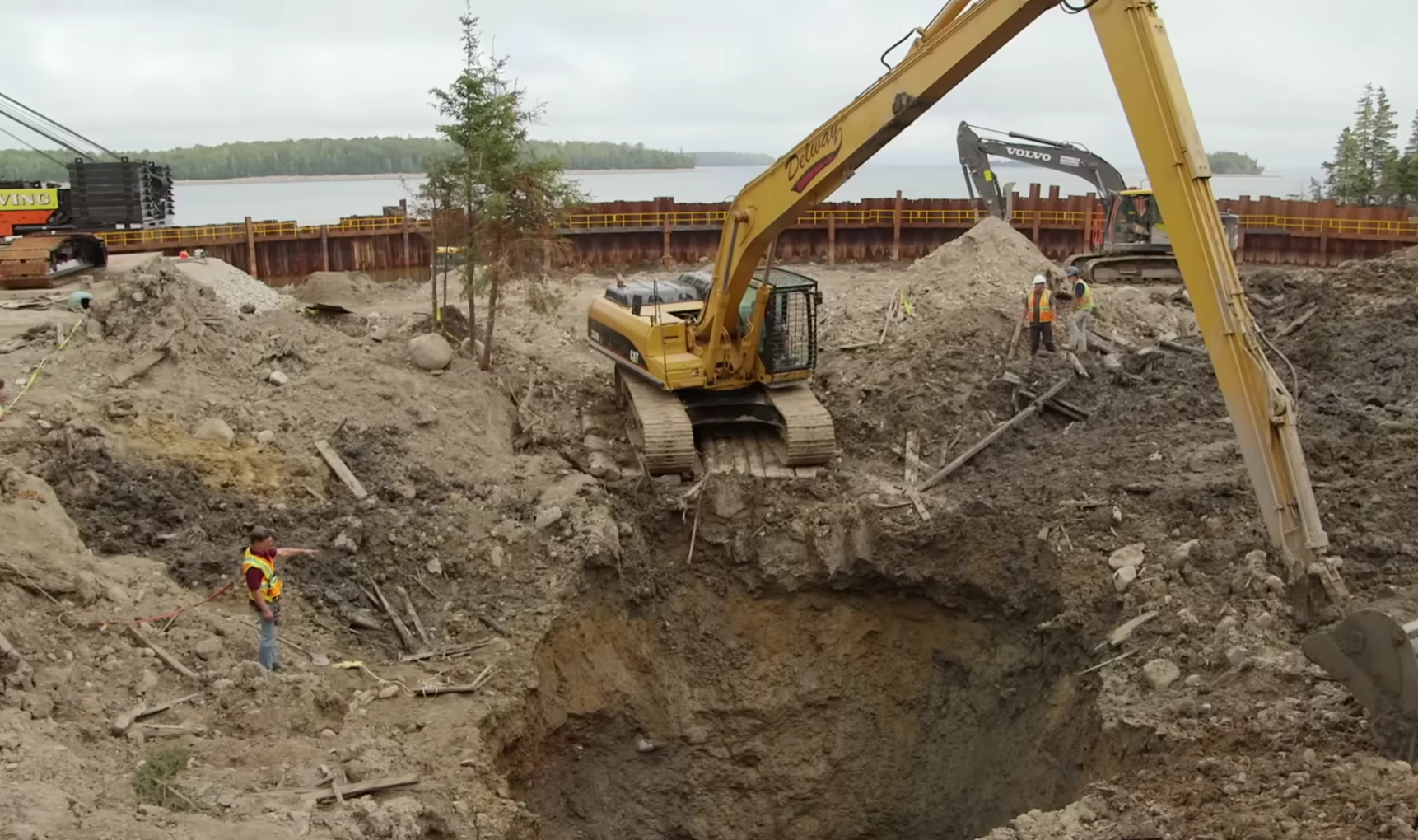
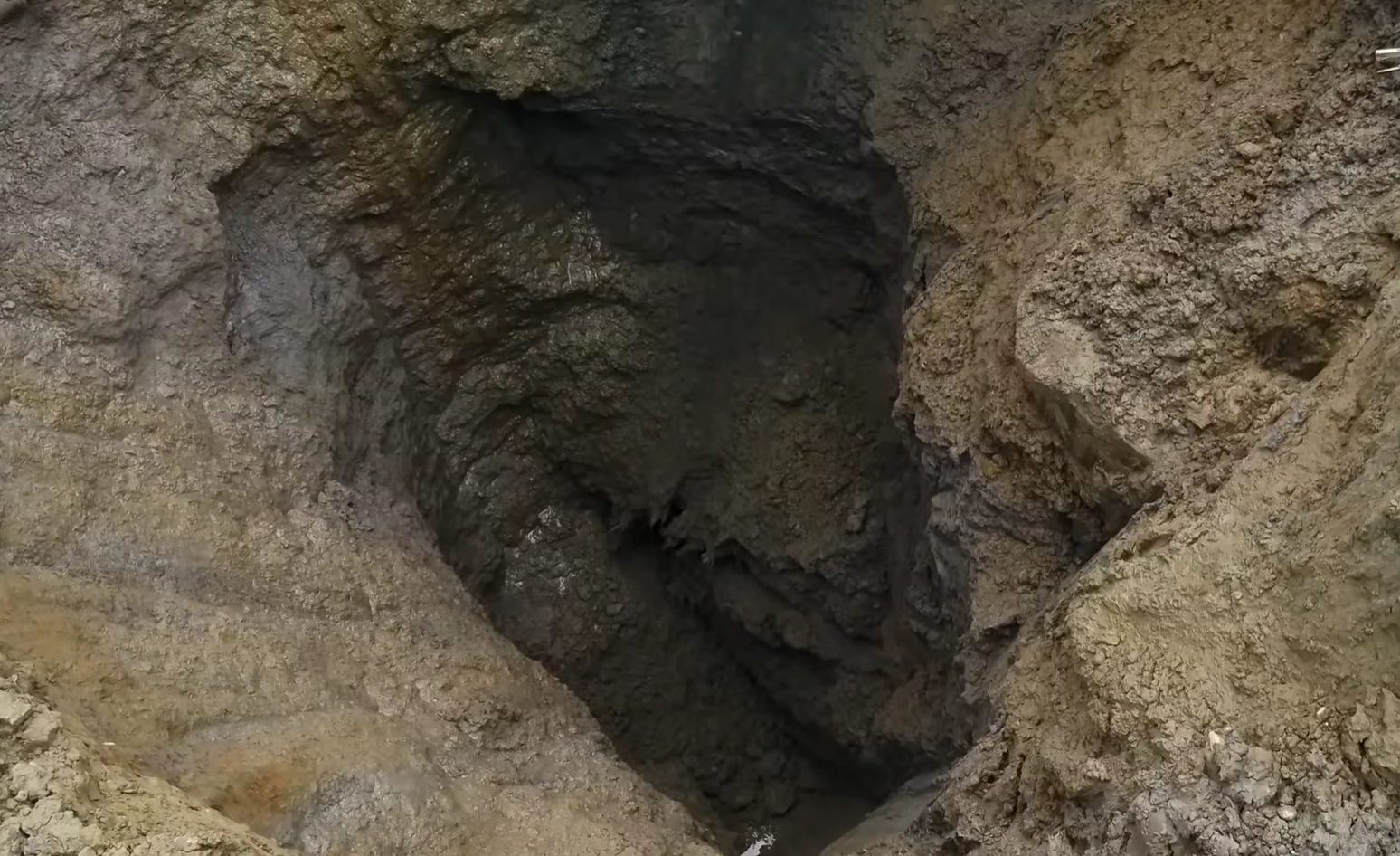
The discovery was made as Rick and Marty Lagina, along with their team, continued to explore a shaft near Smith’s Cove, a location that has been central to many of the island’s most puzzling findings. As the excavation reached a depth of 30 feet, they unearthed a large amount of coconut fiber, a material that has historically been tied to previous treasure hunts on Oak Island. The presence of coconut fiber, found deep underground, is extremely significant. This is because it has been linked to the so-called flood tunnel, a trap believed to have been constructed to flood the Money Pit and protect whatever treasures lie buried there.
Coconut fiber isn’t something you’d expect to find just anywhere on Oak Island. In fact, it is widely believed that this material was deliberately placed in the 1800s to act as a filter for the box drains believed to be part of the original flood tunnel system. The team’s discovery, combined with historical records of coconut fiber found in previous digs, raises questions about the true purpose of the flood tunnel. Was it really designed to protect valuable treasures, as many have speculated, or is there a deeper, more mysterious reason for its construction?
A Closer Look at the Discovery
The discovery of coconut fiber is the latest in a long series of breakthrough findings on Oak Island, which has been the site of treasure hunts since the late 1700s. Historically, treasure hunters have found traces of strange artifacts, complex tunneling systems, and even more coconut fiber—leading many to believe that Oak Island may indeed be hiding something of immense value.
This latest clue is particularly significant because of the role coconut fiber played in past excavations. In the 1800s, treasure hunter Daniel McGinnis and his team discovered a massive layer of coconut fiber that appeared to serve as a filter for the island’s five stone box drains. These box drains, which are believed to have been designed to allow water to flow in and out of the Money Pit, are thought to have been part of the original flooding system. This flood tunnel has baffled researchers for centuries, with many believing it was built to protect whatever treasure is hidden on Oak Island.
The coconut fiber that was discovered by the Laginas’ team provides concrete evidence that the island’s original builders took great care to conceal their treasure. The discovery is especially compelling because it matches historical accounts, confirming that the flood tunnel was indeed designed with great precision. This discovery has the potential to reshape everything we thought we knew about Oak Island and its elusive treasure.
The Flood Tunnel: A Deliberate Barrier?
The flood tunnel has long been a subject of fascination for Oak Island enthusiasts. For years, treasure hunters have speculated about its purpose, with many believing it was designed to safeguard a treasure of great value. The presence of coconut fiber, an ancient material that was used as a filter, now suggests that the tunnel was not only a protective measure but also a carefully constructed barrier to prevent anyone from reaching the treasure.
In the latest excavation, Rick and Marty Lagina were joined by their team, including archeometallurgist Emma Culligan and archaeologist Laird Niven, as they studied the new findings. Emma, who has worked on Oak Island for years, confirmed that the fiber was indeed coconut and not some other type of material. This confirmation is a crucial step toward understanding the purpose of the flood tunnel. The coconut fiber would have served to filter water flowing through the system, helping to control the flow and prevent the tunnel from becoming clogged.
The team’s discovery aligns with the historical records of the Restalls, who documented similar findings of coconut fiber in the 1960s. These findings, along with the team’s recent discovery, strongly suggest that the flood tunnel system on Oak Island was designed with great care and purpose. If the flood tunnel was indeed a trap meant to protect the treasure, it would explain why so many treasure hunters have failed to reach the Money Pit over the centuries.
The Road Ahead: What Comes Next for the Oak Island Team?
With this new evidence in hand, the Oak Island team is more determined than ever to continue their search for the flood tunnel and, potentially, the treasure it guards. The presence of coconut fiber deep in the earth adds a new layer of mystery and excitement to their quest. While the team must now pause their excavation due to the upcoming arrival of heavy equipment to remove the massive cofferdam, their plans to explore further have not been hindered.
Rick Lagina expressed optimism about the next steps, stating that the discovery of coconut fiber confirms their long-held belief that something significant lies beneath the island. The team plans to continue working with experts to analyze the fiber and its connection to the original flood tunnel. In the coming months, they will work to gather more data, hoping to uncover additional evidence that could point them closer to the elusive treasure.
With a new lead on their hands, the Oak Island team is more focused than ever on uncovering the mystery of the Money Pit. As the mystery deepens and new clues emerge, it’s clear that the island’s secrets may soon be revealed. For now, the team is cautiously optimistic that their discovery of coconut fiber marks a turning point in their search, bringing them one step closer to solving the Oak Island mystery once and for all.
Conclusion
The discovery of coconut fiber on Oak Island is a pivotal moment in the ongoing search for treasure. It is a confirmation of the historical accounts that point to the flood tunnel system as a key component of the island’s defenses. As the team prepares for the next phase of their investigation, one thing is clear: the mystery of Oak Island is far from over. With each new discovery, the team gets closer to solving a centuries-old puzzle, and the world is watching to see what will come next. Will they uncover the treasure that has eluded so many before them, or will the island’s secrets remain locked away forever? Only time will tell.