Oak Island Season 13, Episode 4: Is “The Smoking Gun” Finally Here?
After more than a decade of drilling, theorizing, and near misses, The Curse of Oak Island may have reached a turning point. Season 13, Episode 4, aptly titled “The Smoking Gun,” suggests that the mystery of Oak Island is no longer just about if treasure was hidden there, but how and why it was placed with such precision.
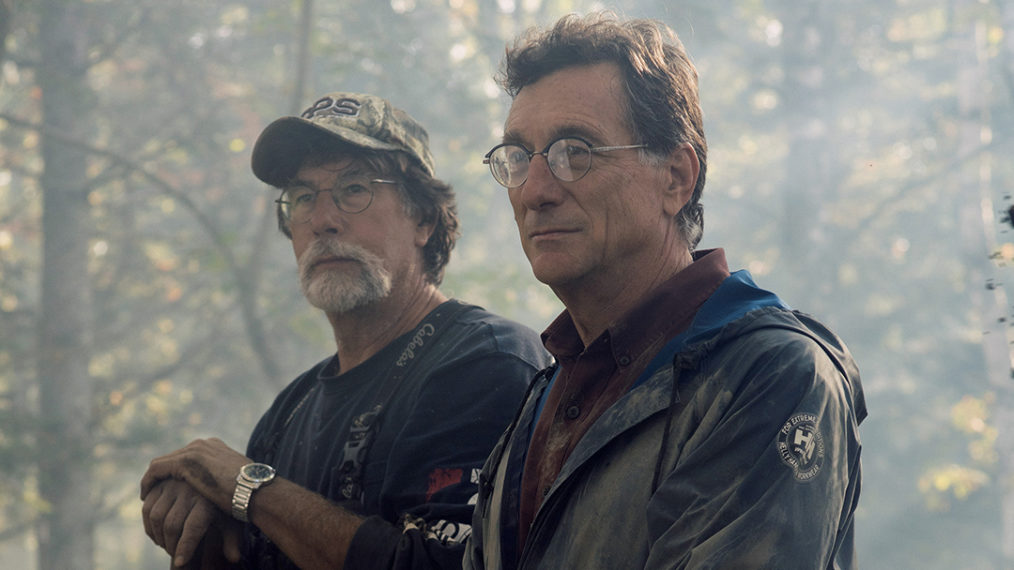
The episode opens with the fellowship pushing their most aggressive drilling campaign yet in the Money Pit area. Building on the discoveries of Episode 3 – including a deep, unnatural void at more than 228 feet – the team now targets the lowest reaches of the solution channel, the natural conduit many believe would have drawn any buried valuables down toward bedrock.
This time, the drill rods are dropping into areas that, according to past data, “shouldn’t even exist.” Less material is coming back up, suggesting open spaces rather than solid ground. For veteran driller Terry Matheson and treasure hunter Rick Lagina, that’s a red flag of the best kind: a possible man-made chamber at extreme depth.
The real jolt comes when a seemingly insignificant fragment is recovered from the core barrel. At first, it looks like a random chunk of metal or debris. But when the mud is cleaned away, faint markings appear and someone voices what everyone is thinking: this might be a piece of a coin.
The find is quickly sent to archaeometallurgist Emma Culligan for analysis. In a brief but telling teaser, Emma warns the team to “be prepared to be gobsmacked,” hinting that the metal is not only silver, but unusually pure. If confirmed, that would be more than a curiosity. Silver does not migrate naturally through rock. Its presence at that depth would strongly suggest deliberate placement – and with it, the strongest evidence yet that treasure was deposited in the solution channel.
While the Money Pit delivers scientific intrigue, the swamp once again steals the spotlight as the island’s most enigmatic feature.
Excavation on the western side of the triangle-shaped swamp uncovers an abrupt, clearly deliberate feature. The moment it appears, Rick calls for an immediate halt. The structure, potentially stone-lined and geometric, lies in an area that was not considered a high-priority target. That, in Oak Island terms, makes it even more interesting.

The new discovery revives the long-standing theory that the swamp was engineered rather than natural – possibly as a man-made barrier, harbor, or cover for a larger operation. It also echoes the work of the late surveyor Fred Nolan, who argued decades ago that the swamp was constructed to conceal something of great importance.
Layered onto this are earlier finds now resurfacing in the conversation:
-
A Roman coin dated roughly 250–270 AD
-
A Portuguese cruzado from the 1300s
-
Venetian glass beads that may align with Mediterranean trade networks and the Knights of Malta
-
Stake patterns and structures pointing back to the 1600s
-
A stone road and potential pathways leading between the swamp, the uplands, and the Money Pit
Individually, these artifacts once felt like tantalizing but disconnected clues. In Episode 4, they begin to look like entries in the same historical ledger.
Historian Doug Crowell leans deeper into theories of pre-Columbian contact, secretive maritime orders, and trans-Atlantic waypoints. Rather than dismissing competing theories – Templars, Portuguese navigators, Norse sailors, Mediterranean traders – the team starts to consider a more nuanced possibility: that Oak Island saw multiple centuries of activity, all connected to a single, long-term purpose.
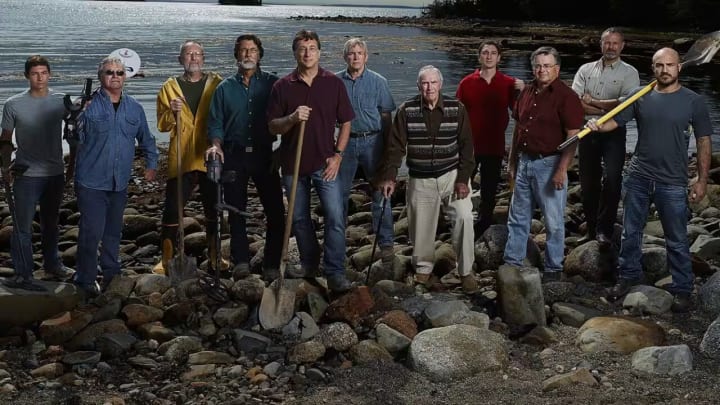
That purpose, Episode 4 suggests, may not have been a simple treasure drop. It may have been a planned burial operation, using Oak Island’s natural geology as part of the design. The idea is stark: the island wasn’t just chosen; it was engineered. Flood tunnels, solution channels, and layered structures may have been used to ensure that anything valuable would sink deep, self-protect, and resist casual discovery.
The scientific tools onscreen support that shift in thinking. CT scans of the suspected coin fragment reveal deliberate shapes and lines. Metallurgical analysis hints at unusually pure silver. Core samples from the solution channel show voids and materials that defy simple geological explanation.
For Marty Lagina, hard data remains the north star. For Rick, patterns and intent now matter as much as any single artifact. For metal-detecting expert Gary Drayton, context is everything: finding silver at depth, in the Money Pit, in line with the solution channel, is not a random stroke of luck. It is, in his words, the kind of indicator prospectors dream of. “If that’s silver, that’s treasure,” he reminds the group – and viewers.
Meanwhile, Lot 5 – the site of the Roman coin, unusual pottery, and multiple high-value signals – is starting to look less like a curiosity and more like a key. If the Money Pit answers the question what was left, and the swamp helps answer how, Lot 5 may explain why. Doug’s research increasingly frames the island as part of a larger Atlantic network, perhaps a staging point, depot, or safeguard in a world of political turmoil and religious secrecy.
The mood of the team reflects the shift. In earlier seasons, the central question was, “What happened here?” In Episode 4, the question evolves into, “Why was Oak Island chosen?” That’s a subtle but enormous change. “Why” implies mission. Mission implies orders, planning, and oaths that stretch far beyond local legend.
Episode 4 doesn’t declare the mystery solved. Instead, it does something arguably more important: it lines up evidence from the Money Pit, the swamp, and Lot 5 into what looks like a single narrative arc. If the fragment proves to be pure silver from a historic context, “The Smoking Gun” may live up to its title as the moment when Oak Island moved from folklore to forensic history.
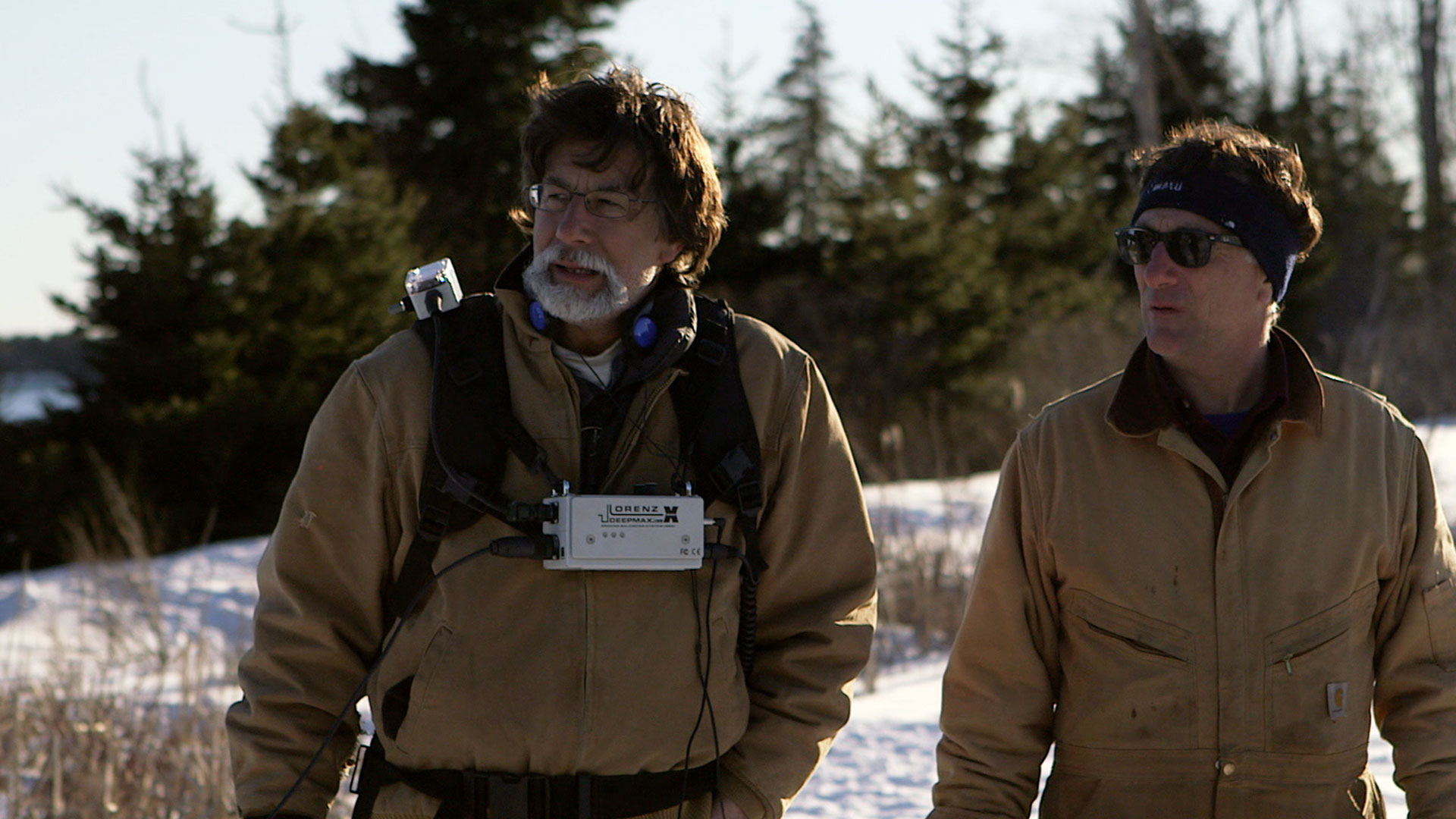
For now, the island keeps its final answers buried. But Season 13 has momentum, and Episode 4 makes one thing clear: Oak Island is no longer whispering. It’s speaking loudly.
The only question left is whether the fellowship – and the audience – are finally ready to hear what it has to say.