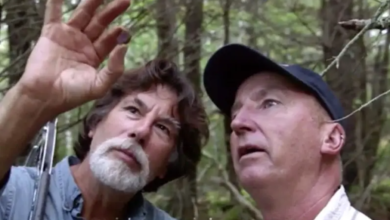
The catastrophic tunnel collapse accident caused Rick Lagina to miss the rest of the season.
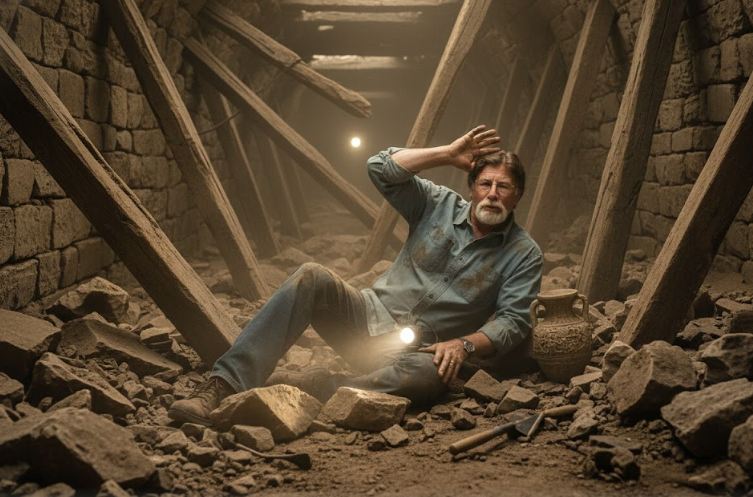
Midway through most seasons of The Curse of Oak Island, momentum shifts decisively underground. By this stage, surface work, testing, and historical cross-checking give way to direct confrontation with the island’s most complex features—shafts, voids, and suspected tunnels. This season, however, that rhythm has been disrupted by an underground collapse that has sidelined Rick Lagina for the remainder of the campaign. While details surrounding the incident remain tightly controlled, its implications are significant, both operationally and narratively.
Rick Lagina has long been the emotional and investigative anchor of the Oak Island effort. While his brother Marty Lagina often drives logistical and financial decision-making, Rick’s role has been more philosophical and interpretive. He is the figure most frequently seen weighing historical context, questioning assumptions, and urging patience when the evidence demands it. Losing that voice during the most technically sensitive phase of the season alters the balance of the operation.
From a practical standpoint, the collapse will almost certainly slow or redirect underground work. Oak Island’s subsurface is notoriously unstable, layered with flood traps, disturbed sediments, and earlier searcher damage. Any collapse forces a reassessment of safety protocols, engineering supports, and excavation timelines. With Rick absent, the team may adopt a more conservative approach—prioritising drilling, imaging, and remote sampling over hands-on exploration. That shift could limit immediate breakthroughs but reduce risk as the season draws to a close.
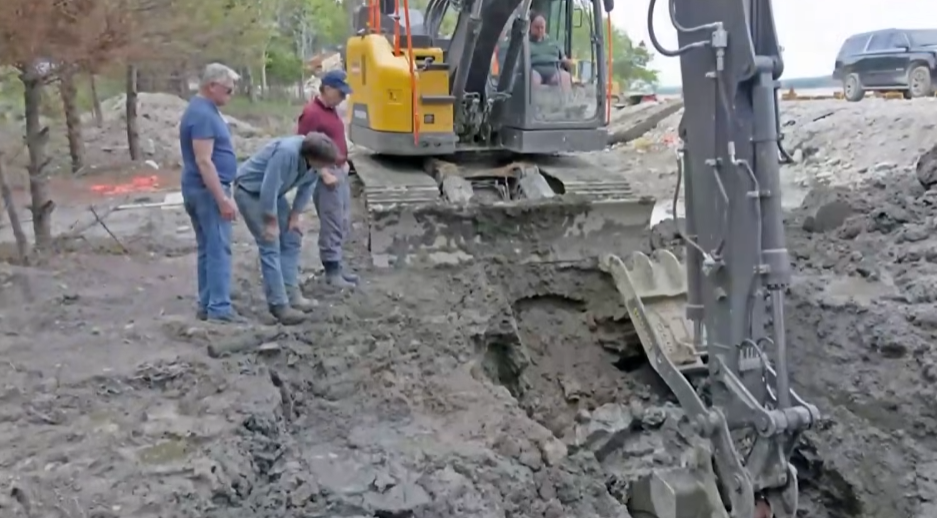
Narratively, Rick’s absence reshapes how discoveries are interpreted on screen. He is often the one who connects a fragment of timber, a soil anomaly, or a historical artefact to a broader theory. Without him present at the dig sites, that interpretive role will likely fall more heavily to Marty and the archaeological specialists. This may lead to a more technical, evidence-driven tone in the latter episodes—less reflective, but potentially more focused on data and method.
One likely outcome is increased prominence for the supporting experts. Archaeologists, engineers, and scientists—already central to recent seasons—may now carry more of the explanatory weight. Their assessments could steer the narrative toward verification rather than speculation, emphasising what can be confirmed rather than what might lie ahead. For long-time viewers, this may feel like a subtle tonal shift, but it aligns with the programme’s gradual evolution toward disciplined investigation.
There is also a leadership dimension to consider. Rick’s presence has often acted as a stabilising influence when tension rises or expectations escalate. In his absence, decision-making may become more streamlined, but also more narrowly focused on deliverables that fit within the remaining schedule. This could mean postponing ambitious underground expansions in favour of consolidating existing findings—documenting tunnels, dating timbers, and refining the island’s construction timeline rather than pushing deeper.
From an analyst’s perspective, the most important consequence may be how the season ultimately frames progress. A forced pause often becomes a narrative boundary: what was achieved before the incident, and what must wait. If the team succeeds in clearly establishing the age, orientation, and purpose of newly exposed tunnel sections, Rick’s absence could paradoxically lend weight to those conclusions. Work completed under heightened caution tends to be methodical, with fewer interpretive leaps.
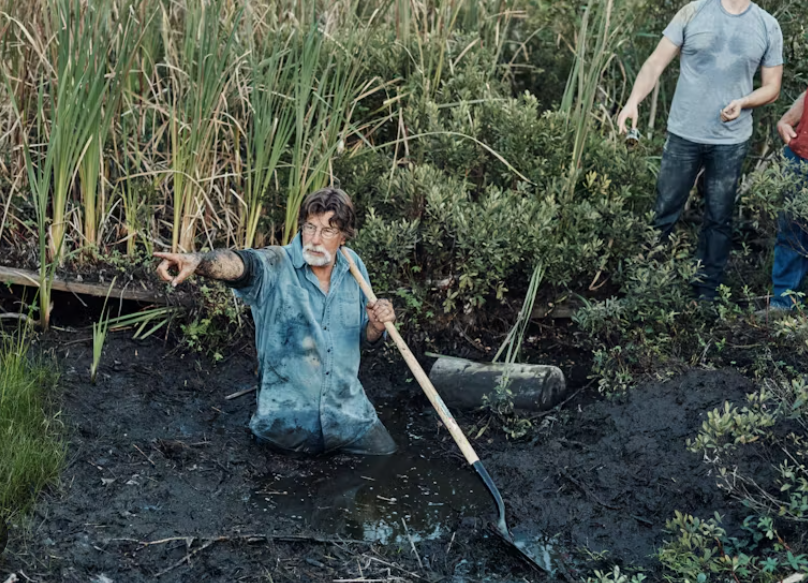
Looking ahead, Rick Lagina’s expected return next season could be positioned as a renewed phase of inquiry rather than a continuation. The groundwork laid during his absence—safety reassessments, refined models, and carefully documented structures—may provide a stronger platform for future exploration. In that sense, this season could become a transitional chapter, marked less by headline discoveries and more by consolidation.
For viewers, the emotional impact should not be underestimated. Rick’s curiosity, humility, and visible investment in the mystery have been central to the show’s identity. His temporary withdrawal reminds audiences that Oak Island is not just a puzzle, but a physically demanding endeavour with real limits. That awareness may temper expectations while deepening respect for the process.
In summary, the tunnel collapse and Rick Lagina’s resulting absence are likely to redefine the closing stretch of the season. Expect fewer bold pushes underground, more emphasis on analysis and verification, and a narrative that prioritises clarity over speed. While the island’s biggest answers may remain out of reach for now, the season could still prove pivotal—quietly strengthening the foundation for what comes next.