Unearthed Secrets: Oak Island Team Discovers Rare 12th-Century Hand Cannon in Swamp Excavation
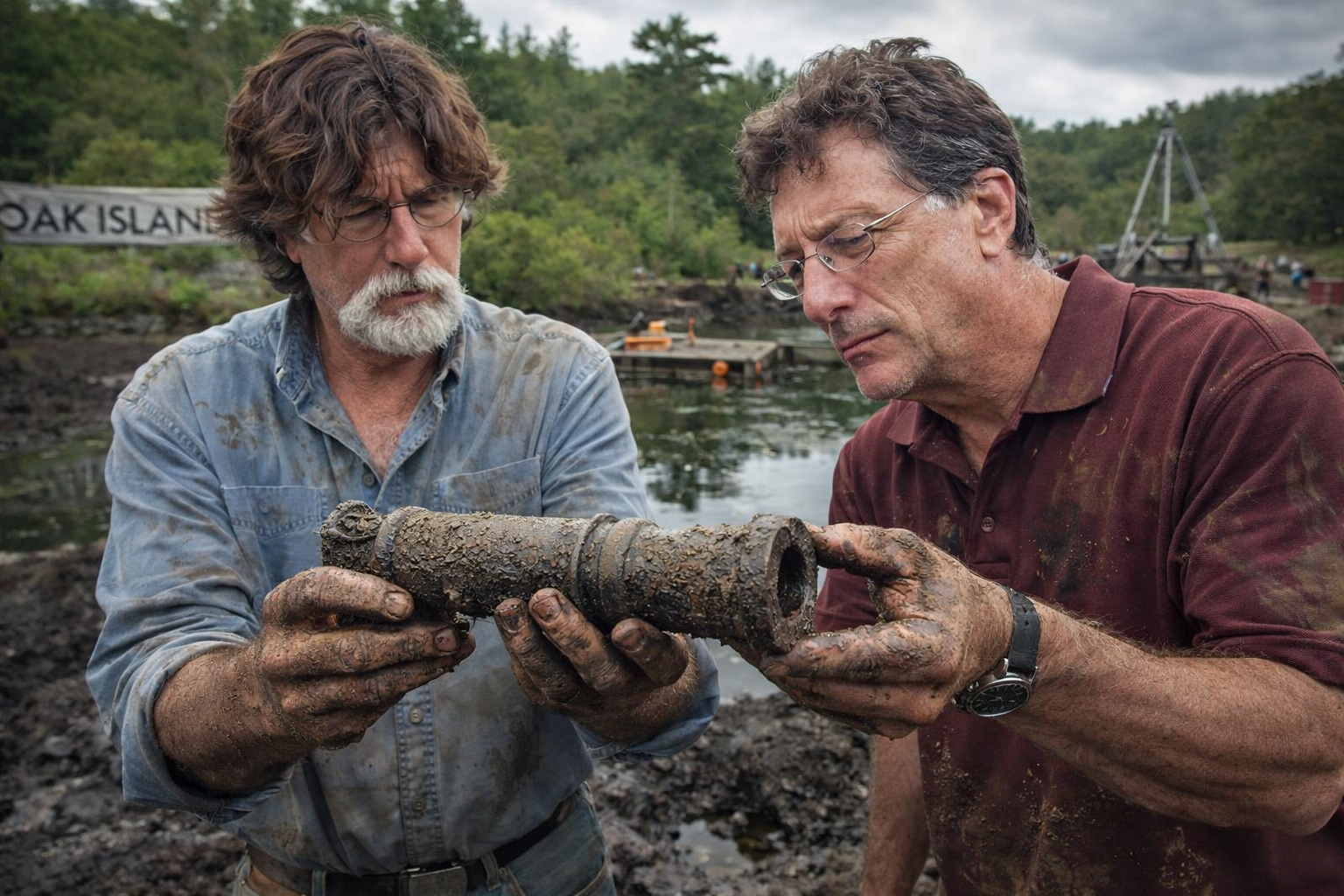
Oak Island, Nova Scotia – In what may be one of the most remarkable discoveries of recent years, the treasure-hunting team of The Curse of Oak Island has unveiled a 12th-century hand cannon, a rare and possibly European artifact, unearthed from the western edge of the island’s infamous swamp. The find, analyzed in conjunction with metallurgist Laird Niven and lab specialist Emma Culligan, has fueled new speculation about the island’s historical significance and the true age of the items hidden beneath its boggy terrain.
Rick Lagina, a central figure in the Oak Island project, described the excitement as palpable when the team presented the artifact for examination. Initially mistaken for a weight, the object, once dried, revealed a taper consistent with early firearms, known as “hand gonne” or hand cannons. These weapons predate flintlocks and other muskets, with origins traced back to 12th-century China and later Europe. If the dating holds, this cannon could predate the discovery of the Money Pit itself by more than a century, raising questions about the identity of those who brought it to Oak Island and for what purpose.
The hand cannon exhibits a small touch hole, consistent with early firearm designs where a spark would ignite gunpowder to launch a projectile. Metallurgical analysis indicates minimal impurities in the iron, suggesting the piece was not forged in a modern blast furnace. The team notes a natural spike in sulfur content, further supporting the artifact’s antiquity. “It’s an unusual artifact found in a very unusual area,” Rick Lagina remarked, expressing awe at both the item and the precision of modern CT scanning technology that allowed detailed study without damage.
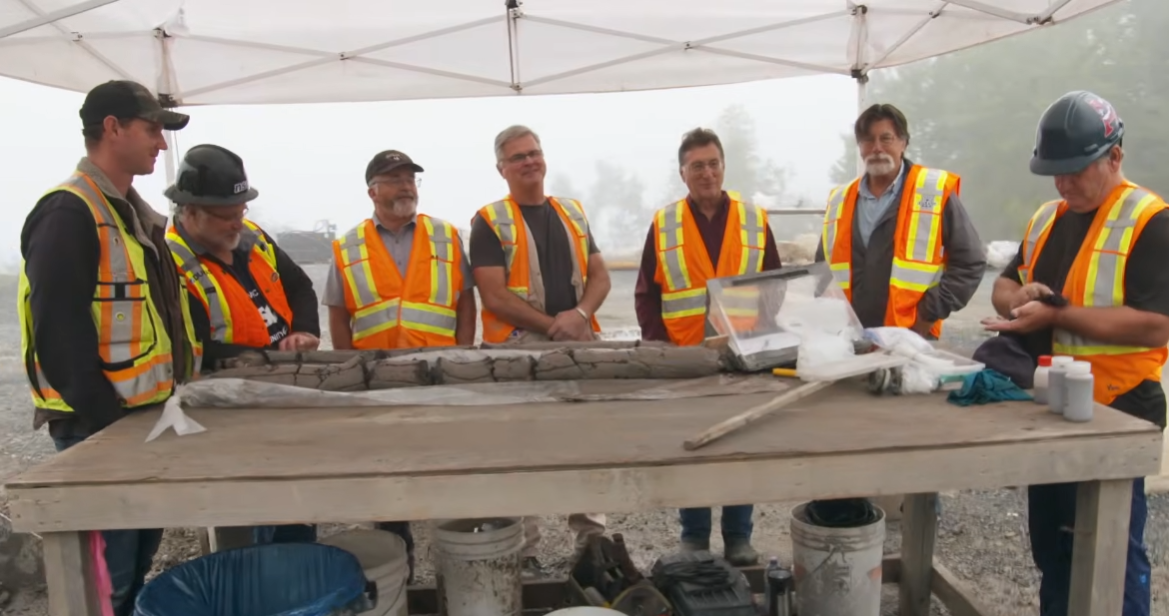
Accompanying this headline discovery, the team continued their methodical excavation in the swamp, recovering additional iron artifacts that may collectively shed light on the island’s mysterious past. Gary Drayton, noted for his experience with historical metal detection, uncovered a series of iron pieces that could represent remnants of large chests or other storage containers, possibly associated with hidden cargo or valuable goods. The artifacts’ shape, weight, and placement hint at deliberate construction rather than random deposits, potentially linking them to the corduroy road previously found in the swamp—an engineered pathway whose purpose has long been debated.
The swamp excavation has historically been a site of both promise and frustration for the team. The waterlogged conditions preserve certain items while complicating excavation, making the team’s success with this hand cannon all the more significant. “One of the best ways to hide a treasure would be to flood it,” notes Marty Lagina, echoing theories that the swamp’s very conditions may have been exploited intentionally to conceal items for centuries.
This discovery aligns with the series’ ongoing effort to contextualize Oak Island’s historical artifacts. From medieval coins to iron shackles, the team has pieced together a tapestry of evidence suggesting that Oak Island’s treasures may encompass far more than simple pirated gold or pirate legends. Each artifact adds another layer to the story, bridging gaps between known historical events and the island’s enigmatic construction projects, such as the Money Pit and associated tunnels.
The hand cannon may also offer insights into the broader trade and military connections of the region. Hand cannons were developed in Europe during the 13th and 14th centuries, serving as precursors to more advanced firearms. Their presence on Oak Island could indicate early European visits, intentional deposits, or trade-related activity, challenging prior assumptions about the island’s isolation and the origins of its buried treasures. Experts suggest that if further analysis confirms a European origin, the cannon might be one of the oldest firearms ever recovered in North America.
Despite the excitement, the team remains cautious in its interpretations. Each artifact must be carefully documented and analyzed before conclusions about Oak Island’s historical narrative can be drawn. The swamp, with its dense vegetation and water-saturated soil, has already yielded surprises that defy simple explanation. From tiny iron needles potentially linked to construction tools, to larger pieces that resemble buckles or chest fittings, the swamp’s artifacts may collectively point to organized storage or deliberate concealment rather than random deposition.
Rick Lagina emphasized that the discovery marks only a beginning. “There are more secrets in the bog,” he said. “We’re nowhere near done, and I look forward to what else we can learn about the history of this place.” The team’s dedication, meticulous excavation methods, and collaboration with experts like Emma Culligan and Laird Niven underscore the show’s blend of entertainment and genuine historical inquiry.
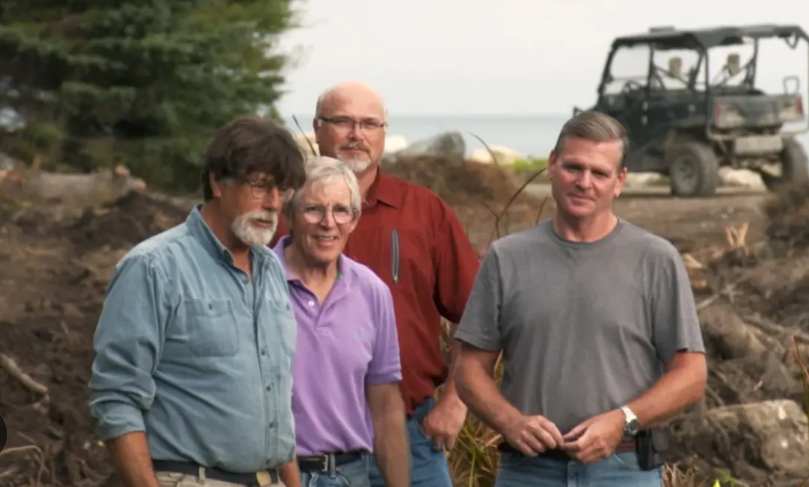
As fans and historians alike digest the implications of the hand cannon and associated swamp finds, one question remains central: who left these artifacts, and why? Theories abound, from pirates and privateers to early European settlers, each potentially rewriting chapters of Oak Island lore. The integration of modern technology, such as CT scanning and metallurgical analysis, provides the tools to answer these questions with greater accuracy than ever before.
The latest discovery reminds us that Oak Island remains a living mystery, with layers of history yet to be fully understood. Every iron fragment, every carefully unearthed object, has the potential to illuminate the past, offering a glimpse into the ingenuity, risks, and secrets of those who came before. For the team on the ground—and for viewers at home—the swamp continues to be a wellspring of both intrigue and historical significance.
The 12th-century hand cannon is more than just an artifact; it is a tangible link to centuries of history and speculation, a symbol of Oak Island’s enduring allure. As excavation continues, the team remains committed to uncovering what lies beneath the swamp’s murky waters, fully aware that each discovery brings them closer to understanding the island’s enigmatic past, yet simultaneously deeper into its mystery