THE VAULT REVEALED: Oak Island’s 231-Year Mystery Culminates in 2026 Discovery

For over two centuries, the swampy shores of Oak Island have guarded their secrets with lethal efficiency. But today, the legend of the “Money Pit” has shifted from a cautionary tale of obsession into a verified archaeological reality. Rick and Marty Lagina, leaders of the longest-running treasure hunt in history, have confirmed the discovery of a massive, man-made stone structure buried deep between Lot 5 and Lot 9—an area long dismissed as geological filler.
The “Ringing” Discovery
The breakthrough occurred not through brute force, but via a surgical application of 2026-grade technology. Utilizing advanced Lidar scanning and high-frequency GPR (Ground Penetrating Radar), the team identified a perfectly geometric anomaly 100 feet below the surface.
While excavating the site with hand tools, the team was halted by the “unmistakable ringing sound” of metal striking a solid, manufactured surface. As the soil was cleared, the team revealed a stone threshold with perfect 90-degree angles and tool-marked masonry. Marty Lagina, known for his scientific skepticism, described the find as “the most solid, undeniable structure ever uncovered on this island.”
Inside the Threshold: A Secret Passage
The investigation took a chilling turn when team members reported a “faint, cold draft” rising from the corner of the stone doorway—an anomaly that felt, as one crew member whispered, “as if the island itself was breathing.”
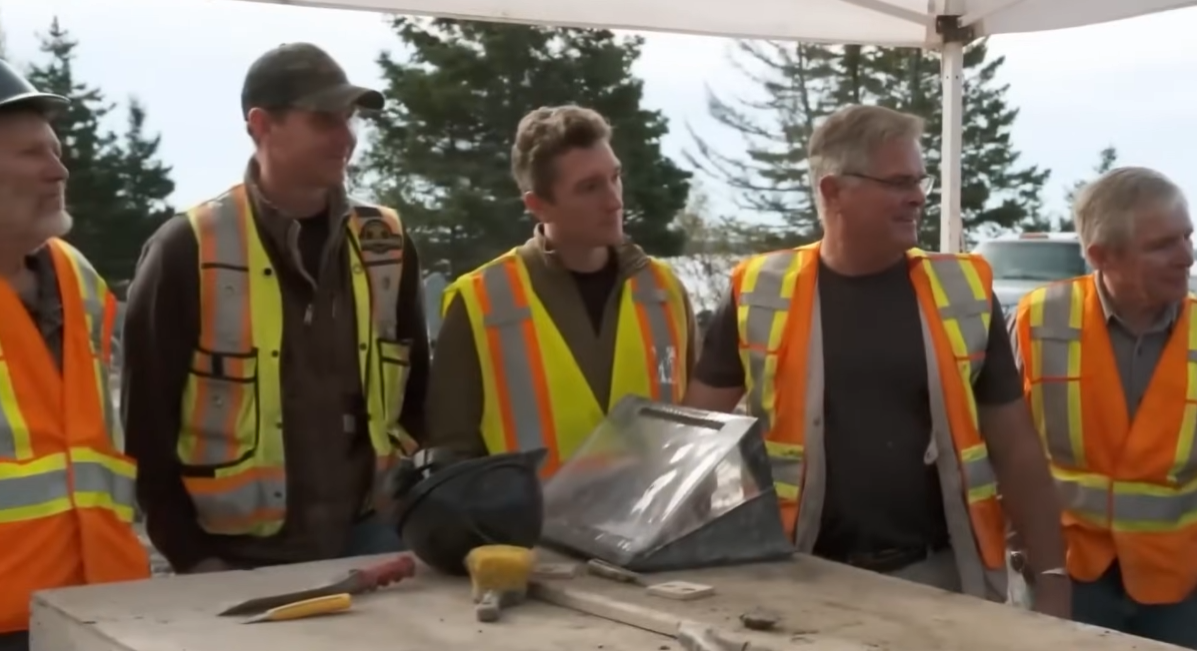
A fiber-optic camera was threaded through a narrow gap in the debris, revealing a sight that had eluded explorers since 1795:
-
A Hand-Cut Tunnel: A smooth-walled passageway stretching into the darkness.
-
Old-World Supports: Massive wooden beams, carved in a style predating the discovery of the Money Pit by centuries.
-
The Vault: At the extreme edge of the camera’s light, the tunnel widened into a larger, cavernous chamber—the long-rumored “Treasure Vault.”
The Templar Connection
The most provocative evidence came from a high-resolution analysis of the doorway’s stonework. Deeply etched into the primary lintel was a Cross Pattée, the flared-end cross synonymous with the Knights Templar. This discovery provides the first direct physical link between the medieval military order and the Nova Scotian island, suggesting the treasure was not buried for retrieval, but for absolute protection.
The Dunfield Scandal Re-Emerged
The 2026 discovery has reopened old wounds regarding the 1960s excavation led by Robert Dunfield. Long-buried local accounts suggest Dunfield may have struck this very structure decades ago but chose to collapse the ground to hide it from government intervention and rival hunters. This “rediscovery” suggests that the Laginas are not only fighting the island’s flood traps but also the “lingering shadows” of previous searchers who prioritized secrecy over history.
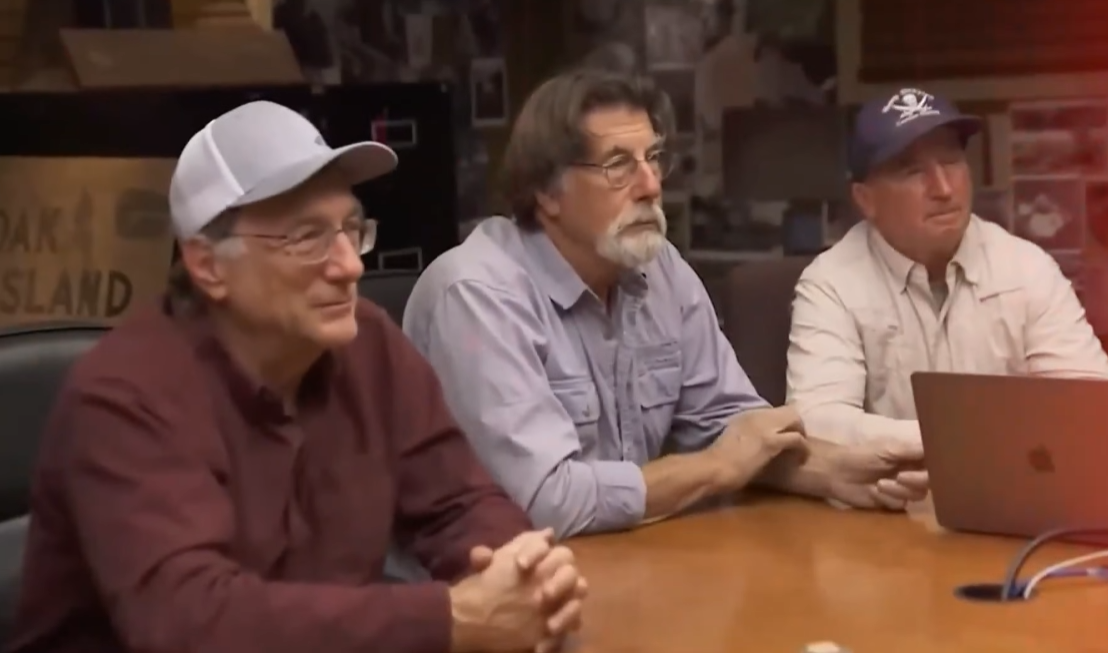
A Warning from the Depths
As the team prepares to breach the chamber, the air on the island is thick with anticipation and dread. The original stone slab found in the 1800s famously promised “two million pounds” below, but the symbols found in 2026 suggest a more somber message. Historians are currently debating whether the chamber was built to hide gold, or to entomb artifacts deemed too dangerous for the world to see.
For now, the Lagina brothers stand at the threshold of history. The question is no longer if something is there, but what it is—and if some doors are better left unopened.