SPANISH SILVER AND RECOVERED REVENGE: Oak Island’s Swamp Relinquishes New Secrets
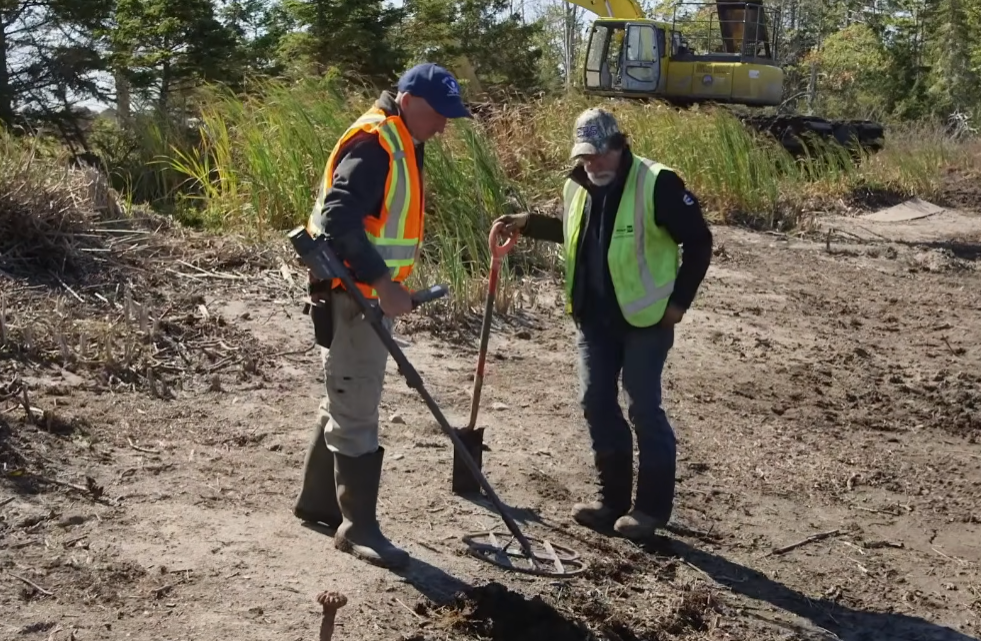
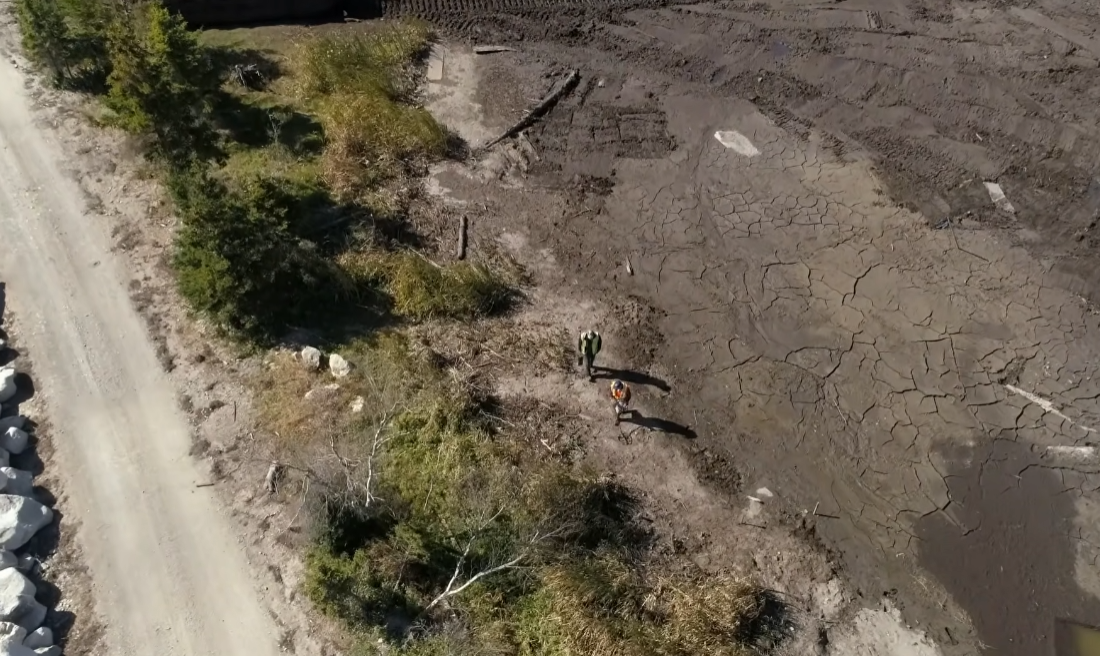
The triangle-shaped swamp of Oak Island, long considered the most enigmatic feature of the Atlantic’s most famous treasure site, has once again defied skepticism. This week, the fellowship led by Rick and Marty Lagina unearthed a series of artifacts that not only bolster the theory of a pre-1730 European presence but may also explain the legendary “unexplained wealth” of a 19th-century island resident.
The “Top Pocket” Discovery
Metal detection expert Gary Drayton and Rick Lagina, taking advantage of unusually low water levels in the swamp, recovered a thick, intricate ring that has sent shockwaves through the War Room. The artifact, characterized by handmade floral patterns and visible signs of crude resizing, was submitted to master goldsmith and gemologist Charles Lewton-Brain for forensic analysis.
The professor’s findings were definitive. The ring features center-chiseled floral designs—a technique that predates the common use of jeweler’s saw blades in the 1730s. “The floral pattern reads European to me. Possibly Spanish,” Lewton-Brain reported via video conference.
The discovery of a Spanish silver ring from the early 1700s (or earlier) provides critical “connective tissue” to a 1652 Spanish Maravedí coin found on the island years ago. It reinforces the timeline of a massive, coordinated Spanish operation on the island centuries before the “Money Pit” was officially discovered in 1795.
Submerged Sentinels
While the swamp yielded jewelry, the waters off the island’s southern shore provided a different kind of clue. Using sonar data provided by the Centre for Geographic Sciences (COGS), divers Tony Sampson and Alex Lagina investigated a mysterious triangular rock formation on the seafloor.
Despite heavy vegetation and 51-degree waters, the dive team confirmed the existence of a jagged, man-made structure that appears to point directly toward the Money Pit. Researchers believe this could be a navigational marker or a vent for the island’s legendary flood tunnel system—a sophisticated hydraulic trap designed to protect the treasure vault by drowning any unauthorized excavation.
The “Mystery Man” of Oak Island
The northern region of the swamp, near a recently discovered brick-and-slate vault, yielded a humbler but equally telling find: leather. Excavators Katya Drayton and Jack Begley recovered several fragments of what ancient documents expert Joe Landry identified as “oak-tanned” leather boots.
While the ring points to the 1700s, these boots date to the mid-to-late 19th century—the era of Anthony Graves. A farmer who purchased most of the island in 1857, Graves has long been a figure of local lore. Though he never officially searched for treasure, history records that he frequently paid for goods on the mainland using Spanish silver coins.
The discovery of military-grade footwear near an empty, vault-like structure has led the team to a startling hypothesis: Did Anthony Graves find a hidden cache in the swamp? “Maybe that’s where his coins came from,” suggested researcher Craig Tester. If Graves discovered one vault, the team believes the “grand scheme” of the swamp suggests others—potentially still full—remain hidden beneath the muck.
The Search Continues
With evidence of 18th-century Spanish jewelry, 19th-century recovery operations, and ancient underwater markers all converging, the Laginas are doubling down on their “eyes and boots” approach.
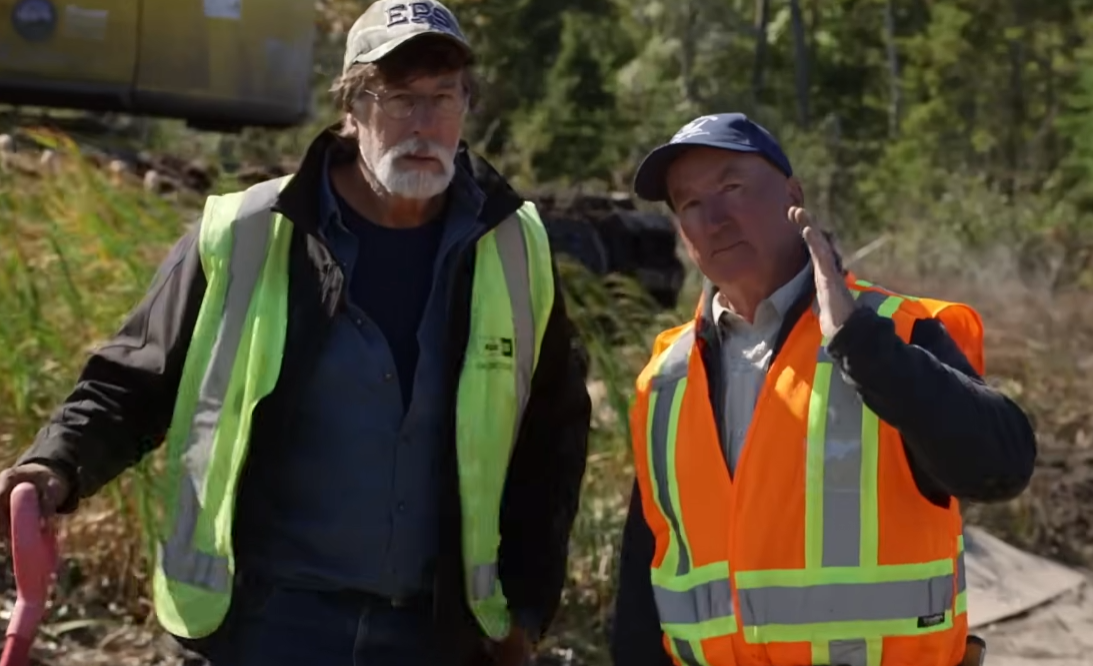
“We’re looking for clues to the treasure,” Rick Lagina noted. “Who was here? When was the work done? We need to follow those clues where they go.” For now, all roads—and triangular formations—seem to lead back to the swamp, an area that is quickly transforming from a wasteland into a historical goldmine.